Prepare Meals Ahead – Make Everyday Life Easier with Small Steps

Prepare Meals Ahead – Make Everyday Life Easier with Small Steps
Between work, family, errands, and everything else that fills a busy week, finding time and energy to cook healthy, tasty meals can feel impossible. But with a little planning and a few simple habits, you can make mealtime less stressful. Preparing meals ahead isn’t about spending your entire Sunday in the kitchen—it’s about taking small, manageable steps that make your everyday life easier.
Why Meal Prep Pays Off
Planning and prepping your meals saves time, money, and energy. You’ll avoid last-minute takeout, reduce food waste, and skip the daily “What’s for dinner?” panic at 6 p.m. It also helps you eat more balanced meals, since you’ll have healthy ingredients ready to go instead of reaching for quick, less nutritious options.
Meal prep also brings peace of mind. When you know there’s a plan—and maybe even a few ready-to-eat items in the fridge—cooking becomes a smoother, more enjoyable part of your day.
Start with a Simple Meal Plan
A meal plan doesn’t have to be complicated. The key is to make it fit your lifestyle. Start by planning three or four days at a time, and choose meals that can be reused or adapted.
- Monday: Baked chicken with roasted vegetables
- Tuesday: Chicken tacos or wraps using leftovers
- Wednesday: Vegetable soup made with what’s left in the fridge
- Thursday: Salmon with quinoa and a side salad
Planning this way helps you use ingredients efficiently and saves time on both grocery shopping and cooking.
Use the Weekend for Small Preparations
You don’t need to cook a week’s worth of meals in one day. A few small tasks over the weekend can make a big difference:
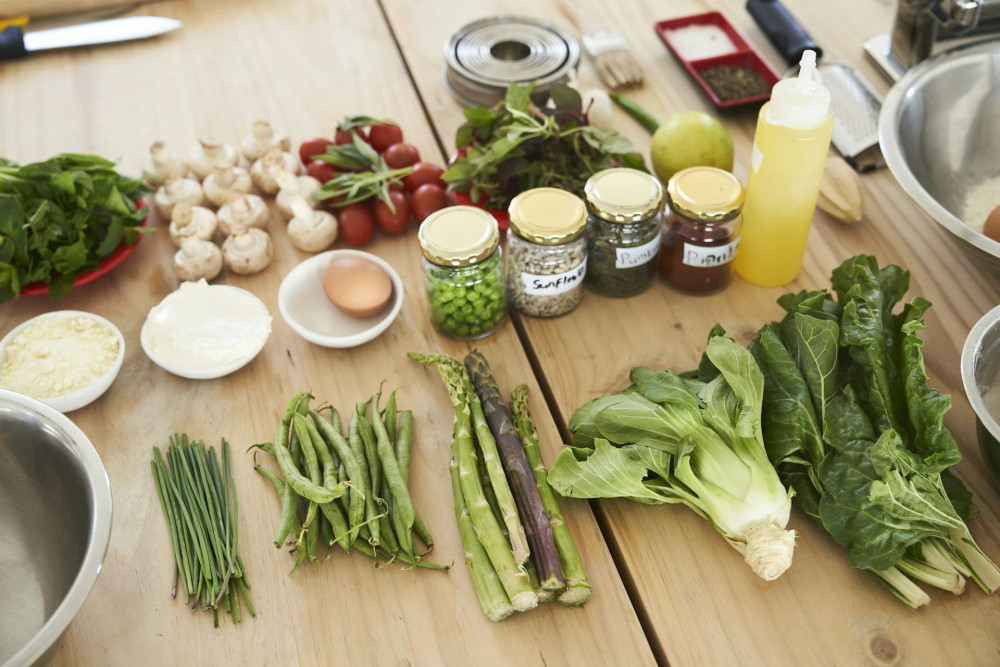
- Chop vegetables like carrots, bell peppers, and broccoli, and store them in airtight containers.
- Cook grains or beans such as rice, lentils, or quinoa—they’ll keep for several days in the fridge.
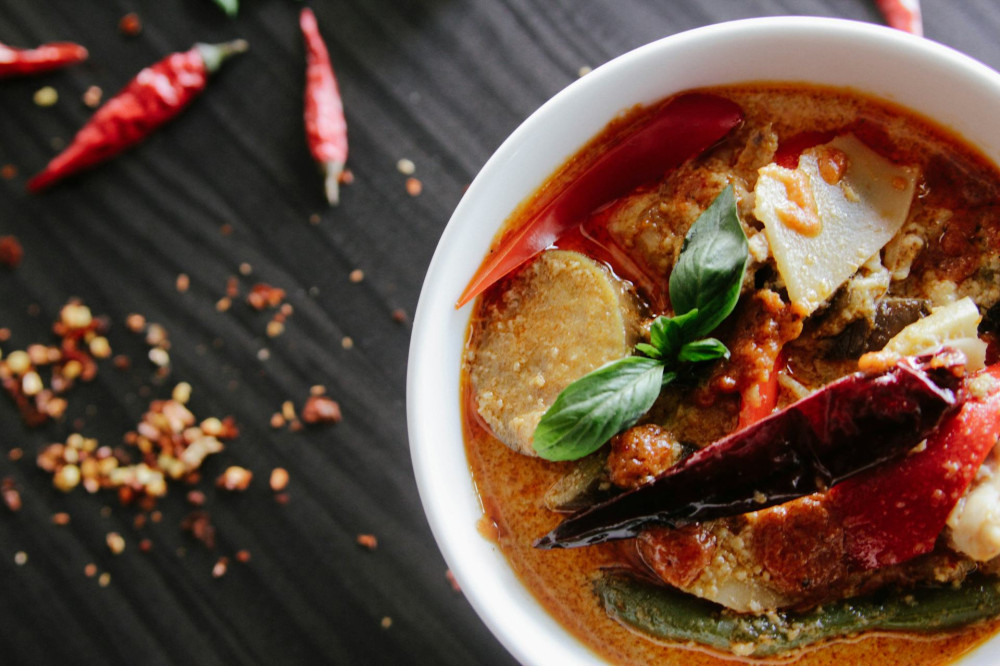
- Make a base dish, like chili, pasta sauce, or curry, that can be used in different ways throughout the week.
- Bake bread or muffins and freeze them for quick breakfasts or snacks.
These small steps mean that on busy days, you’re assembling meals rather than starting from scratch.
Think in Flexible Dishes
Some meals are especially meal-prep friendly—soups, stews, casseroles, and grain salads often taste even better the next day. You can also think in “mix-and-match” components: roast a big batch of vegetables, cook a pot of grains, and make a simple dressing. Then you can quickly build different meals—a salad one day, a grain bowl the next.
Freeze Smart
Your freezer is your best friend when it comes to saving time. Just be organized about it. Use labeled containers or freezer bags so you always know what’s inside and when it was made. Freeze in portions that fit your household size to avoid waste.
Dishes like spaghetti sauce, curry, soup, and cooked beans freeze especially well. Having a few ready-to-heat options in the freezer means you’re never far from a homemade meal.
Make It a Habit, Not a Chore
The goal is to find a level of meal prep that works for you. Maybe you start by prepping one dish a week or chopping vegetables for two days at a time. Small steps are better than none, and over time, it will become a natural part of your routine.
Get the family involved, too—kids can help wash produce or choose meals for the week. It makes the process easier and turns mealtime into something everyone looks forward to.
Læs også:
A Simpler Week with More Balance
Preparing meals ahead isn’t just about efficiency—it’s about creating calm and balance in your daily life. With a bit of planning and a few small steps, you’ll have more time for what really matters: enjoying good food and the moments shared around the table.
Læs også: