Meals for One or Two: How to Reduce Food Waste and Keep the Joy of Eating

Meals for One or Two: How to Reduce Food Waste and Keep the Joy of Eating
Cooking for one or two people can feel tricky. Most recipes are written for families, and it’s easy to end up with too much food or ingredients that go bad before you can use them. But with a little planning and creativity, you can cut down on food waste and still enjoy delicious, satisfying meals—whether you’re cooking for yourself or sharing with a partner.
Planning Is Your Best Tool
When you’re cooking for a small household, planning ahead is the key to reducing waste. Think in terms of flexible meals and ingredients that can be used in more than one way.
- Plan meals for three or four days at a time. This helps you stay organized and ensures you use up what you buy.
- Buy smaller quantities. Many grocery stores now offer produce, meat, and dairy in smaller packages—choose those if you know you won’t use more.
- Look for ingredient overlap. If you buy a bunch of kale for a pasta dish on Monday, use the rest in a salad on Tuesday or toss it into a smoothie later in the week.
Meal planning doesn’t have to be rigid. The goal is flexibility—so you can make the most of what you have without letting food go to waste.
Make the Freezer Your Friend
Your freezer is one of the best tools for cooking for one or two. It extends the life of your food and lets you prepare larger batches without worrying about spoilage.
- Freeze leftovers in single portions. You’ll have quick, homemade meals ready for busy days.
- Divide meat or fish before freezing. That way, you can defrost only what you need.
- Freeze bread by the slice. Take out a few pieces at a time and keep the rest fresh.
Label containers with the date and contents—it makes it easier to keep track of what’s inside and avoid forgotten freezer finds.
Give Leftovers a Second Life
Leftovers don’t have to be boring. In fact, they can be the start of something new and delicious.
- Cooked vegetables can become soup, stir-fry, or a veggie omelet.
- Leftover chicken works great in tacos, salads, or a quick curry.
- Cooked rice or potatoes can be turned into fried rice or crispy hash with an egg on top.
By thinking creatively, you’ll save time, money, and effort—while keeping your meals interesting.
Smart Kitchen Habits That Make a Difference
Small changes in your kitchen routine can have a big impact on how much food you waste.
- Store food properly. Keep produce in the crisper drawer, and store bread in airtight bags to maintain freshness.
- Understand date labels. “Best by” doesn’t mean “bad after.” Use your senses—look, smell, and taste before tossing.
- Have a weekly “clean-out-the-fridge” night. Turn it into a fun challenge to use what you already have.
These habits help you stay organized and make the most of your groceries.
Læs også:
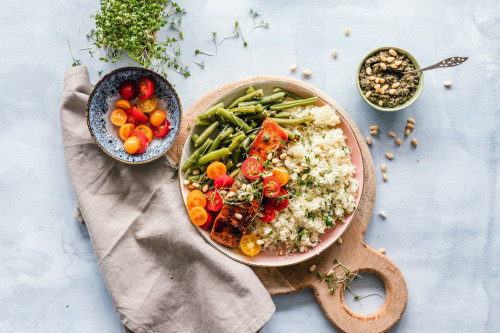
Keep the Joy in Eating—Even When You’re Alone
Food is about more than just nourishment—it’s about pleasure and connection. When you’re cooking for one or two, it can be tempting to skip the effort, but that’s when it matters most to keep the joy alive.
- Set the table, even if it’s just for you—it makes the meal feel special.
- Try new recipes in small portions to keep things fresh and exciting.
- Invite a friend over for dinner once in a while—sharing food makes cooking more fun.
Cooking for one or two can be a chance to experiment, discover your tastes, and enjoy the process of making something just for you.
Less Waste, More Enjoyment
When you learn to shop smart, use leftovers creatively, and plan with flexibility, you’ll waste less food and gain more peace of mind. You’ll save money, reduce your environmental impact, and enjoy your meals with a sense of satisfaction.
Cooking for one or two doesn’t have to be a challenge—it can be an opportunity to cook with intention, creativity, and joy.
Læs også: