Dietary Inspiration: Plan Your Weekly Meals with Care and Balance

Dietary Inspiration: Plan Your Weekly Meals with Care and Balance
Eating well isn’t just about choosing the “right” foods—it’s about creating balance, variety, and enjoyment in your everyday life. The U.S. Dietary Guidelines can serve as a helpful framework, but they’re not meant to be a strict rulebook. Instead, think of them as inspiration for building meals that fit your lifestyle, preferences, and schedule. Here are some ideas to help you plan your weekly meals with care and balance.
Start with a Plan and a Clear Overview
A good meal plan begins with a little organization. Look at your week ahead: Which days are busy, and when do you have time to cook from scratch? Planning ahead helps you avoid last-minute takeout, reduce food waste, and save money.
- Create a weekly meal plan – Write down what you’ll have for dinner each night, and plan lunches around leftovers.
- Check your fridge and pantry – Use what you already have before buying more.
- Make a shopping list – It saves time, helps you stick to your budget, and prevents impulse purchases.
When planning, keep the basics of healthy eating in mind: eat a variety of foods, include plenty of fruits and vegetables, choose whole grains, and limit added sugars, sodium, and highly processed foods.
Put Fruits and Vegetables at the Center
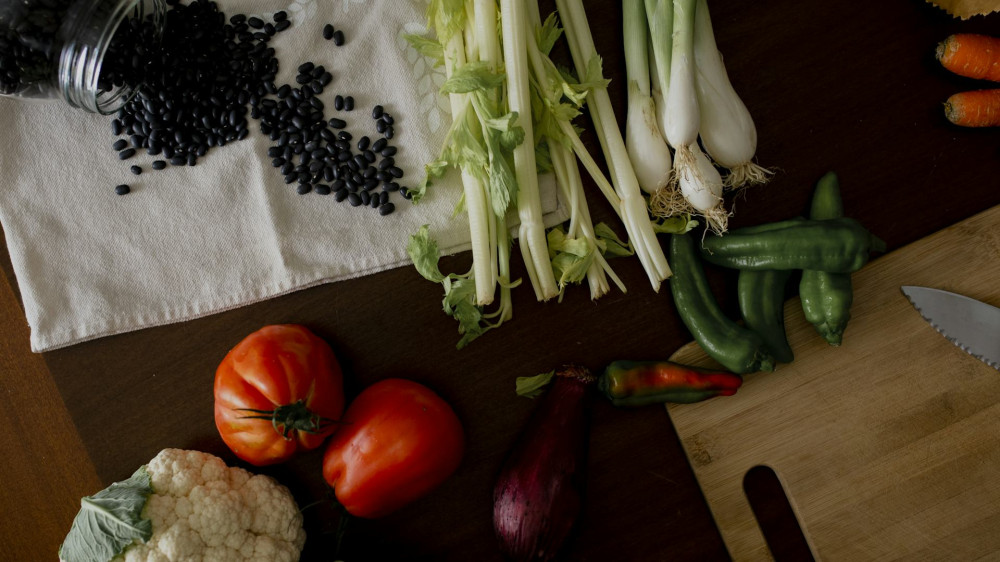
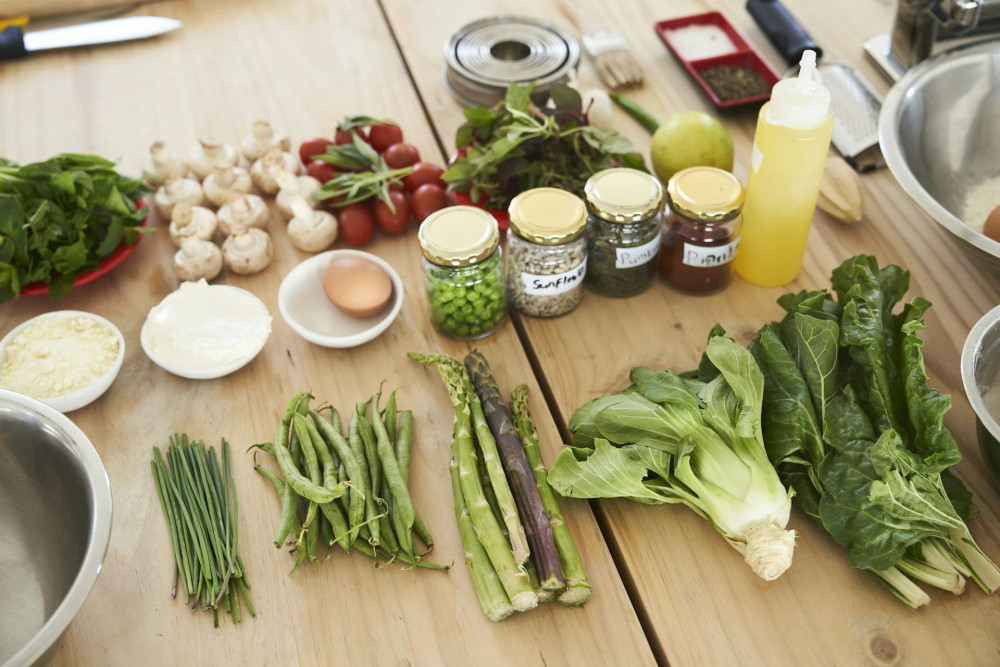
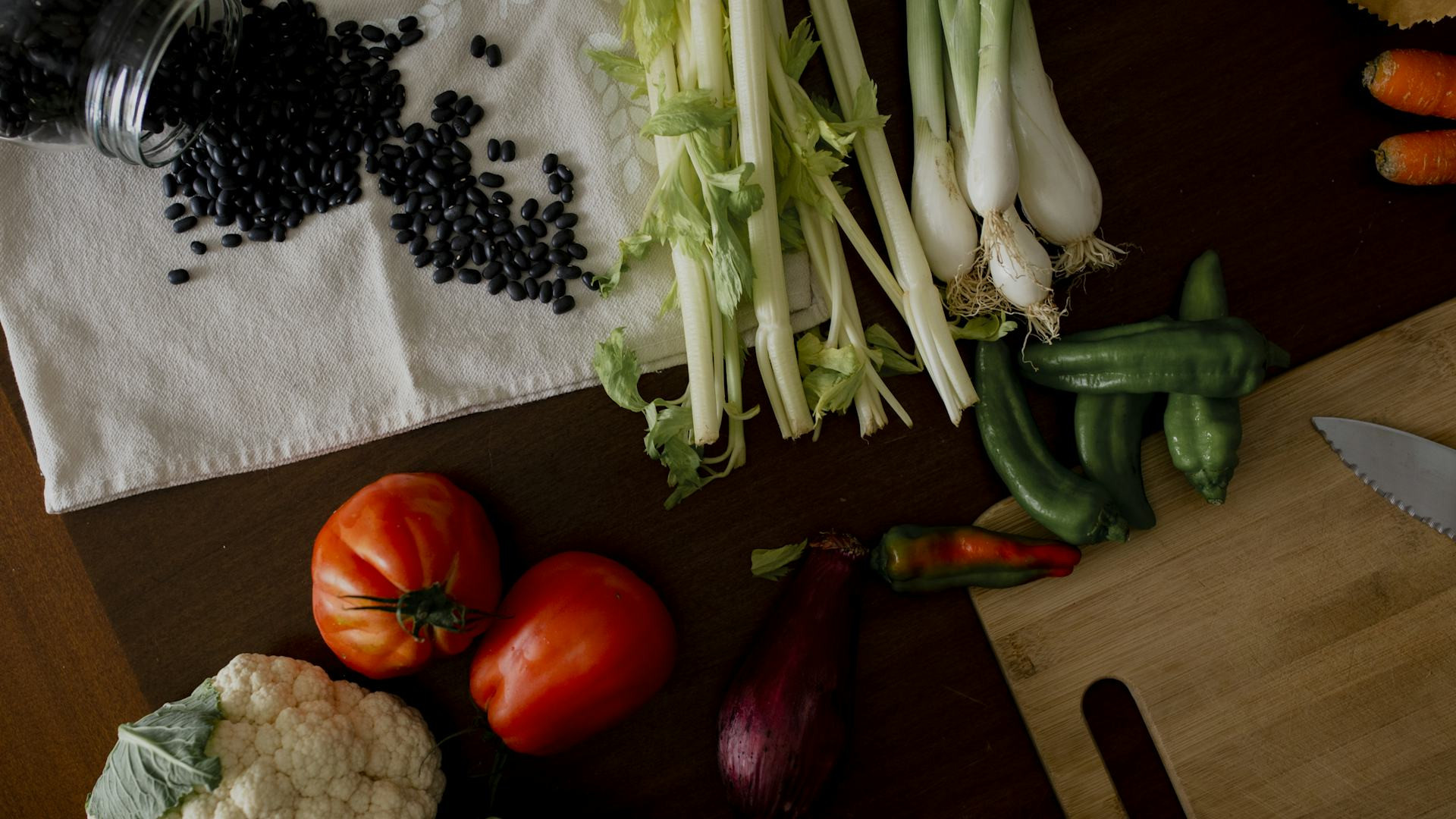
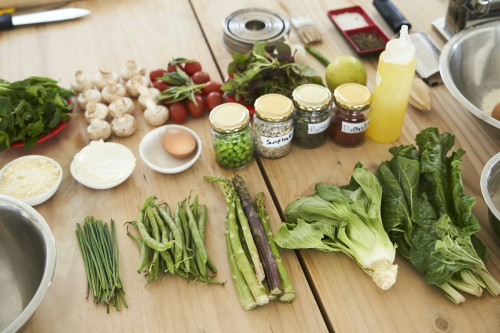
One of the simplest ways to improve your diet is to eat more fruits and vegetables—aim for about 4–5 cups a day. It might sound like a lot, but it’s easy to reach that goal when you spread it throughout the day.
- Add berries or sliced fruit to your oatmeal or yogurt in the morning.
- Fill half your plate with vegetables at lunch and dinner.
- Mix vegetables into sauces, soups, and casseroles, or roast them as a side dish.
Think in colors and variety: the more colors on your plate, the more nutrients you’re likely to get.
Make Whole Grains the Easy Choice
Whole grains provide fiber, help you feel full longer, and support steady energy levels. Choose whole-grain versions of bread, pasta, rice, and cereals whenever possible. You don’t have to change everything at once—start by swapping half of your refined grains for whole grains.
Keep a few staples on hand, such as brown rice, whole-wheat pasta, oats, and whole-grain bread. With these basics, it’s easy to put together a meal that’s both satisfying and nourishing.
Include Lean Proteins and Plant-Based Options
Protein is essential for maintaining muscle and keeping you full, but variety matters. The Dietary Guidelines recommend including seafood twice a week and incorporating plant-based proteins like beans, lentils, and tofu.
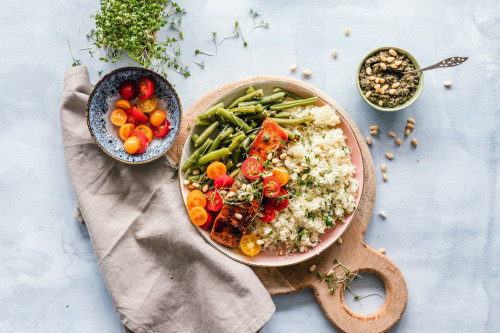
- Add tuna, salmon, or shrimp to salads and grain bowls.
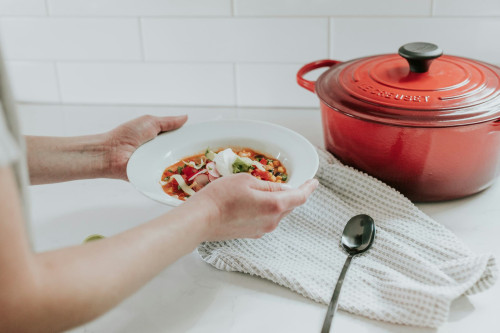
- Try a meatless Monday with a lentil soup or black bean chili.
- Replace half the meat in tacos or pasta sauce with beans or lentils for extra fiber and savings.
These small changes can make your meals more balanced and environmentally friendly.
Læs også:
Plan Around Your Real Life—and Enjoy It
Healthy eating should be practical and enjoyable. When planning your week, think about what you and your family actually like to eat. A meal plan works best when it’s realistic and flexible.
Include a “quick dinner” night for busy evenings and a “new recipe” night to keep things interesting. This approach keeps your routine fresh and helps you look forward to mealtime.
Reduce Food Waste with Smart Planning
One of the most sustainable habits you can adopt is reducing food waste. Plan to use leftovers creatively—yesterday’s roasted chicken can become today’s salad or wrap. Freeze extra portions for future meals, and use vegetables that are past their prime in soups or stir-fries.
Small adjustments in planning can make a big difference—for your wallet and for the planet.
Focus on Balance, Not Perfection
The goal of healthy eating isn’t perfection—it’s balance. Some days might include takeout pizza, and others a homemade veggie stir-fry, and that’s perfectly fine. What matters most is the overall pattern of your choices over time.
By planning your weekly meals with care, you’ll not only eat more healthfully but also bring more calm and enjoyment to your daily routine. You’ll save time, reduce stress, and rediscover the pleasure of good food—and that’s what true balance is all about.
Læs også: