All-Day Energy: How to Plan Meals That Satisfy and Keep You Strong

All-Day Energy: How to Plan Meals That Satisfy and Keep You Strong
We’ve all felt that midafternoon slump — when focus fades and energy dips. Often, it’s not just about needing more sleep; it’s about how we fuel our bodies. With a little planning, your meals can keep your energy steady, your mind sharp, and your body strong from morning to night. Here’s how to build a day of eating that truly sustains you.
Start the Day with a Solid Foundation
Breakfast sets the tone for your energy levels. A balanced meal with complex carbs, protein, and healthy fats helps stabilize blood sugar and keeps hunger at bay for hours.
- Choose whole grains – oatmeal, whole-grain toast, or quinoa provide slow-burning energy.
- Add protein – eggs, Greek yogurt, cottage cheese, or plant-based options like tofu or nut butter help you stay full.
- Include healthy fats – avocado, nuts, or seeds support brain function and hormone balance.
Try a bowl of oatmeal topped with berries, almonds, and a spoonful of yogurt — simple, nourishing, and quick to make.
A Midday Meal That Keeps You Going
Lunch should refuel you without leaving you sluggish. The key is balance: plenty of vegetables, lean protein, and whole grains.
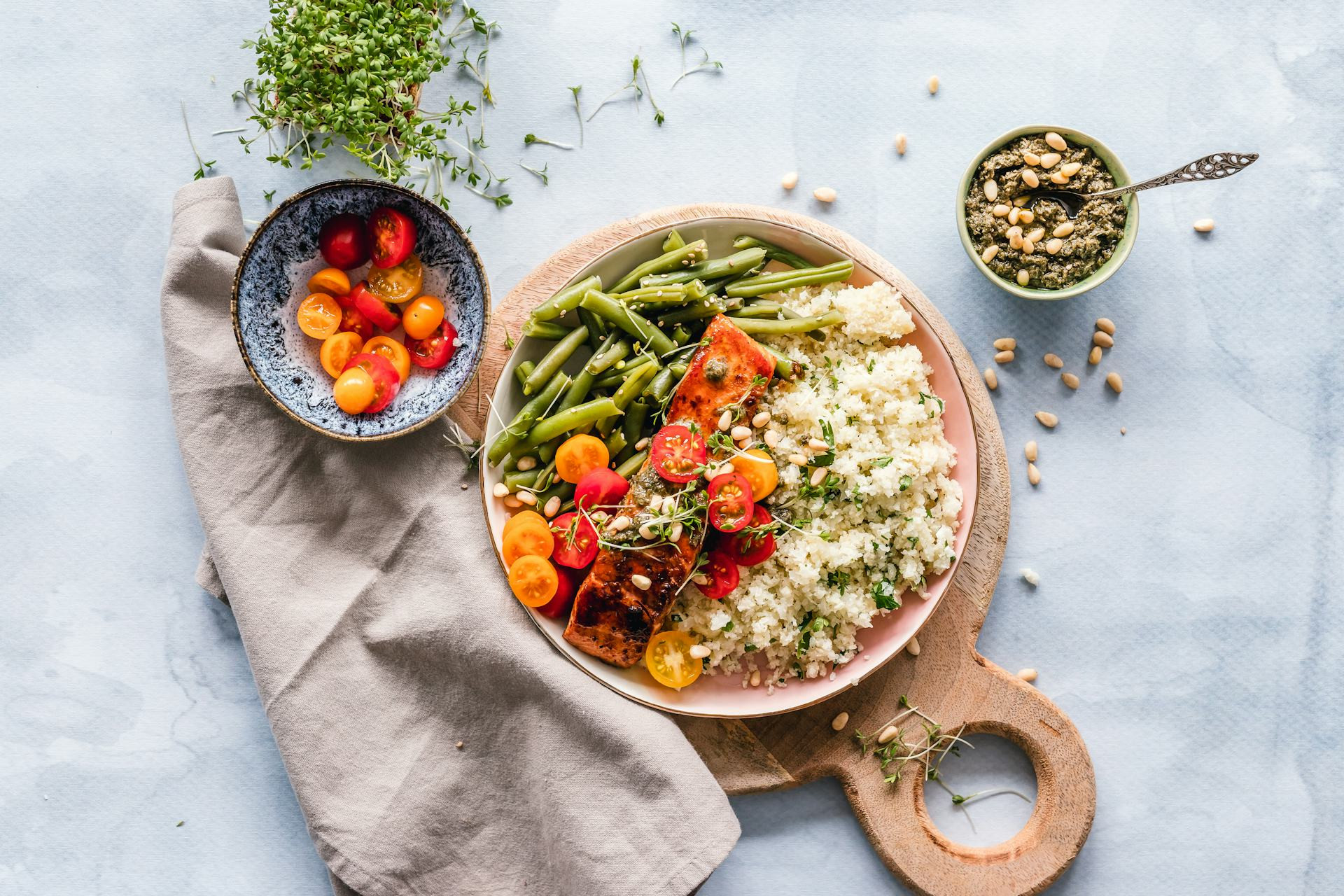
- Think color – the more colorful your plate, the more nutrients you’re getting.
- Make protein the anchor – grilled chicken, salmon, beans, or lentils help maintain energy and focus.
- Skip the sugar rush – refined carbs and sweet dressings can cause an energy crash later.
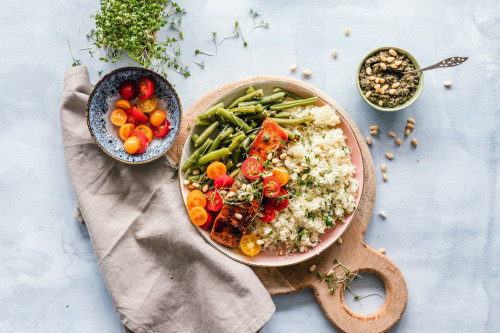
A good rule of thumb: fill half your plate with vegetables, a quarter with protein, and a quarter with whole grains like brown rice or farro.
Læs også:

Smart Snacks for Steady Energy
When that afternoon fatigue hits, a thoughtful snack can make all the difference. Instead of reaching for another coffee or something sugary, choose foods that combine protein, fiber, and healthy fats.
- A handful of nuts and a piece of fruit.
- Veggie sticks with hummus.
- A small cup of Greek yogurt with a sprinkle of granola.
Snacks aren’t about eating more — they’re about keeping your energy stable so you don’t overeat later.
Dinner That Restores and Recharges
Evening meals should nourish and help your body recover from the day. Aim for something satisfying but not too heavy.
- Pair veggies and protein – roasted vegetables with fish, chicken, or beans make a balanced plate.
- Choose wholesome carbs – sweet potatoes, brown rice, or whole-grain pasta provide lasting energy.
- Eat mindfully – slow down, enjoy your food, and give your body time to register fullness.
Cooking a little extra can also set you up for success — leftovers make an easy, healthy lunch the next day.
Hydration: The Hidden Energy Source
Even mild dehydration can cause fatigue and headaches. Keep a water bottle nearby and sip throughout the day — aim for about 6–8 cups, depending on your activity level. Coffee and tea are fine in moderation, but remember that caffeine doesn’t replace fluids. A good habit: drink a glass of water with every cup of coffee.
Planning Makes the Difference
Eating for energy doesn’t require complicated recipes — just a bit of preparation. Spend a little time each weekend to:
- Plan your meals for the week.
- Prep veggies, cook grains, or boil eggs in advance.
- Keep healthy snacks ready in your bag or fridge.
When your meals are planned, it’s easier to make good choices — even on your busiest days.
Listen to Your Body
Everyone’s energy rhythm is different. Some people thrive on three main meals, others prefer smaller, more frequent ones. Pay attention to how your body responds and adjust accordingly. The goal isn’t just to stay full — it’s to feel good, focused, and strong. When you find the eating pattern that works for you, you’ll notice your energy lasts all day long.
Læs også: