Small Changes at Home That Boost Your Child’s Motor Skills


Small Changes at Home That Boost Your Child’s Motor Skills
A child’s motor development doesn’t just happen at preschool or on the playground—it happens every day at home, through small movements and playful exploration. When children crawl, jump, balance, and use their hands, they strengthen muscles, coordination, and body awareness. The good news is that you don’t need a big renovation or expensive equipment to support this growth. With a few simple adjustments, you can turn your home into a space that encourages movement, play, and learning.
Make Room for Everyday Movement
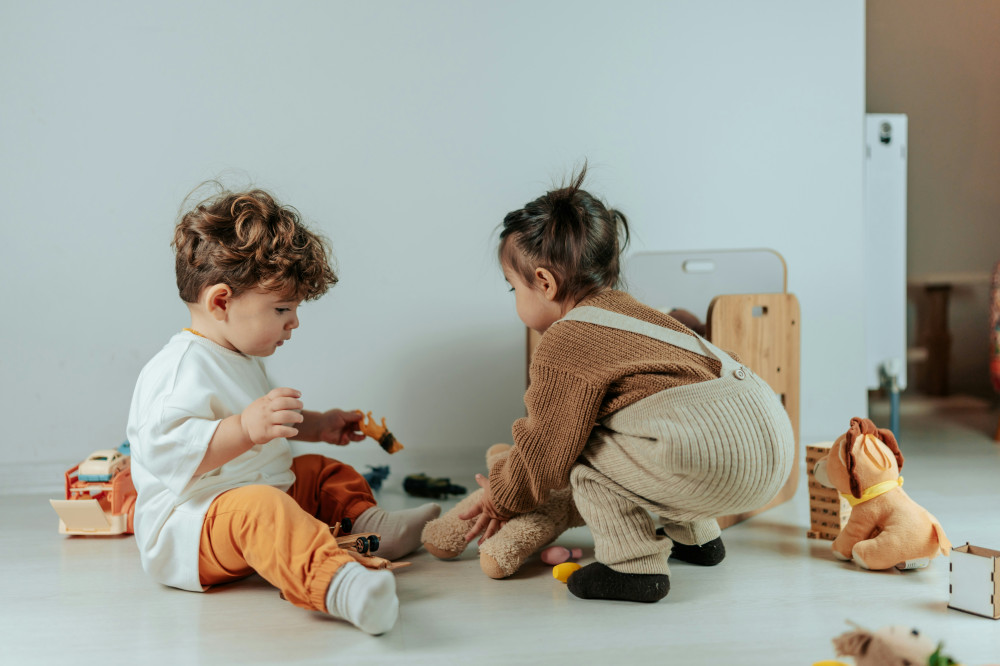
Many homes are designed for comfort and order, but kids need space to move. Look around and see where your child can safely explore and be active indoors.
- Clear some floor space in the living room or playroom so your child can roll, hop, or dance freely.
- Add rugs or foam mats to create soft areas for crawling, tumbling, or simple stretches.
- Set up a “movement course” using pillows, chairs, and blankets—great for balance, creativity, and fun.
Even small movements count. When your child crawls under the table, walks along a line of tape on the floor, or jumps from cushion to cushion, both gross and fine motor skills are being strengthened.
Design with Play in Mind
You don’t need fancy toys or gym equipment to encourage motor development. Everyday furniture and household items can be used creatively.
- A low shelf can help your child practice standing up and balancing.
- A sturdy kitchen chair can serve as support when learning to walk.
- A small step stool lets your child reach the sink and practice coordination while washing hands or brushing teeth.
By thinking from your child’s perspective and inviting them to take part in daily routines, you nurture both independence and motor skills.
Læs også:

Turn Daily Tasks into Movement Opportunities
Many household chores can double as motor skill practice—it’s all about involving your child.
- Set the table together—carrying plates and utensils builds balance and hand-eye coordination.
- Fold laundry—shaking, folding, and stacking clothes strengthens both precision and control.
- Cook together—stirring, pouring, and cutting (with child-safe tools) develop fine motor skills.
When children help with real tasks, they feel capable and engaged—and their motor skills grow naturally through participation and play.
Use Walls and Floors as Play Spaces
Your home’s surfaces can become creative play zones that encourage movement and coordination.
- Use painter’s tape on the floor to make balance lines or hopscotch paths.
- Create a drawing wall with chalkboard paint or large paper sheets so your child can draw while standing—great for shoulder and arm strength.
- Hang small hooks or baskets at child height so your child can hang up clothes or toys independently.
These small changes invite your child to move and explore throughout the day—without it feeling like exercise.
Don’t Forget the Outdoors
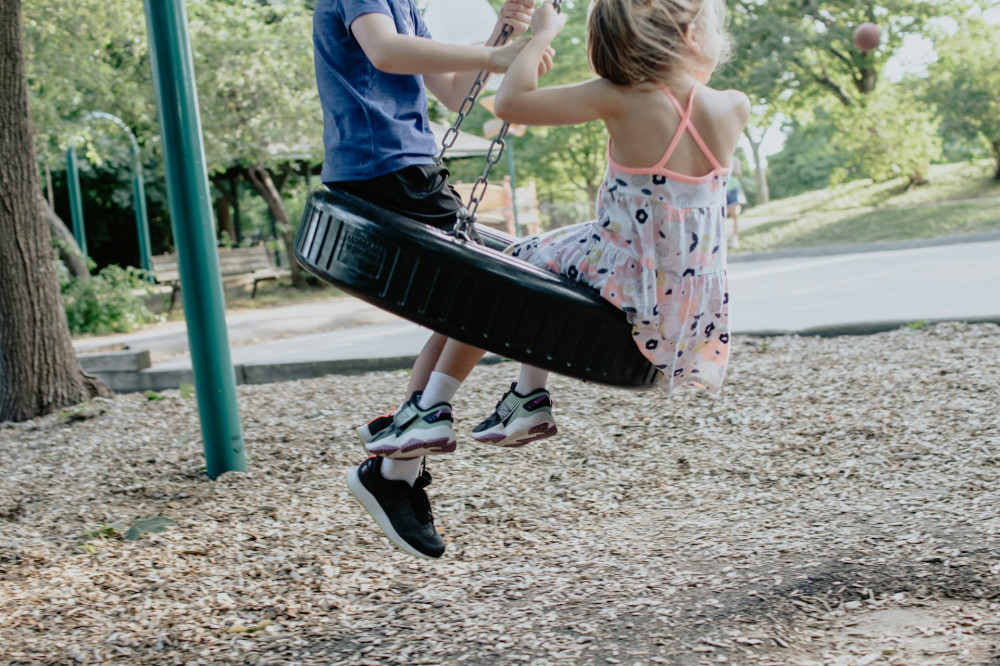
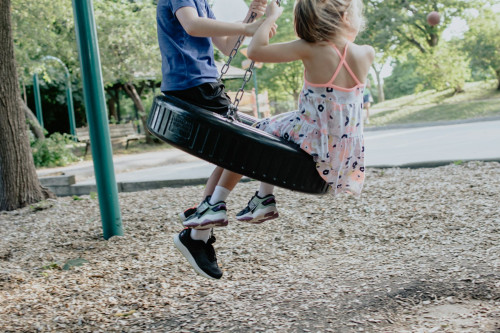
Even with a movement-friendly home, outdoor play is essential. Walks, playground visits, and backyard adventures offer variety and challenges that indoor play can’t replace.
Encourage your child to walk on uneven ground, climb over logs, collect rocks, or jump in puddles. These activities build strength, balance, and sensory awareness—plus, they bring fresh air and joy.
Small Steps, Big Impact
Supporting your child’s motor development isn’t about turning your home into a gym—it’s about creating opportunities for movement in everyday life. When you design your space with play, participation, and curiosity in mind, your child gets to use their body in many different ways—and that’s exactly how motor skills grow best.
Læs også: