New Siblings and New Routines: How to Help Your Child Adjust


New Siblings and New Routines: How to Help Your Child Adjust
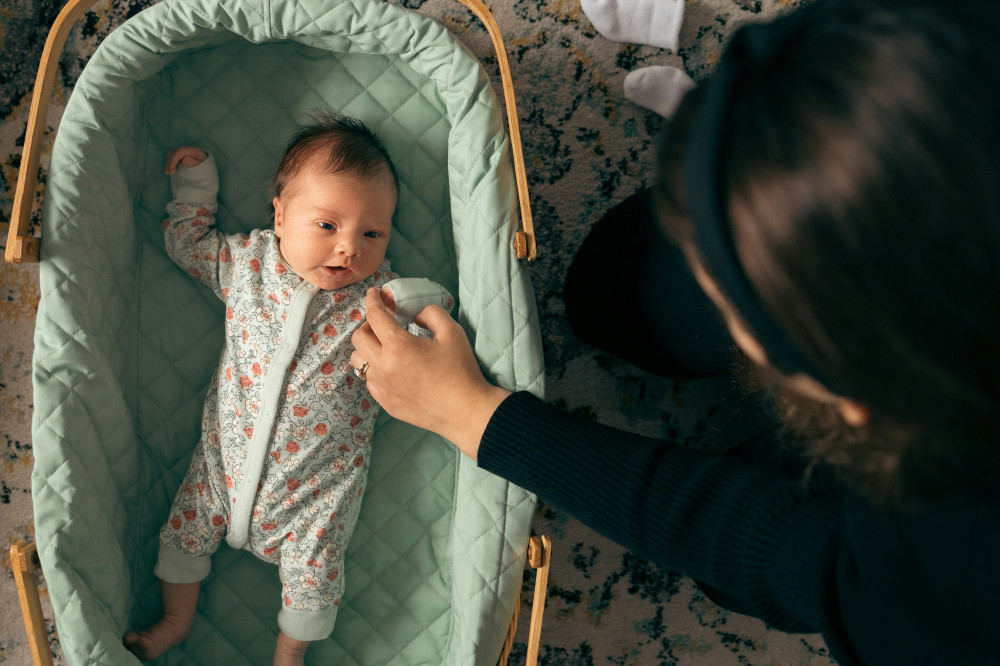
When a new baby joins the family, life changes for everyone—especially for the child who suddenly becomes a big brother or sister. The transition can bring excitement, pride, and curiosity, but also confusion and jealousy. As a parent, you can do a lot to help your child adjust to this new role and create a sense of security for the whole family.
Prepare Your Child for the Change
You can start preparing your child even before the baby arrives. Talk about the upcoming changes in a way that fits your child’s age and understanding. Many children need to know what to expect—both practically and emotionally.
- Share stories and photos from when your older child was a baby, and talk about how you cared for them back then.
- Involve your child in small preparations, like choosing a blanket, a stuffed animal, or decorations for the baby’s room.
- Talk about feelings—the happy ones and the hard ones. It’s normal for a child to feel both excited and worried.
The more your child feels included, the easier it will be to accept the changes when the baby arrives.
The Early Days – Create Comfort and Familiarity
Once the baby is born, your older child may feel that your attention is suddenly divided. This can lead to frustration or a need for extra closeness. Keeping some familiar routines helps your child feel secure and valued.
- Stick to familiar rituals, like bedtime stories, breakfast together, or a regular walk.
- Offer small responsibilities, such as bringing a diaper or singing to the baby—only if your child wants to.
- Make time for one-on-one moments, where you or your partner spend time with your older child without the baby. It could be a trip to the park or just ten minutes of reading or playing together.
Even short moments of undivided attention can make a big difference in helping your child feel loved and secure.
When Jealousy Appears
Even the most loving child can feel jealous when a new sibling arrives. This is a natural reaction and doesn’t mean your child doesn’t love the baby.
Try to respond with understanding rather than correction. You might say, “I know it’s hard when I can’t play right now. It’s okay to feel upset.” This helps your child learn that their feelings are valid and that you still see and understand them.
Avoid comparing your children—each has their own personality and pace. Instead, highlight your older child’s unique role as someone who can do things the baby can’t yet do.
Læs også:

New Routines for the Whole Family
A new baby means new rhythms for everyone. Sleep schedules, mealtimes, and daily logistics all shift, and it takes time for the family to find its balance. Structure and flexibility can help you through this period.
- Create a simple daily routine, so your child knows when it’s time for play, meals, and rest.
- Include your child in planning, so they feel like an important part of the family team.
- Be realistic—some days will go smoothly, others won’t. That’s completely normal.
When your child sees that daily life still works, even with all the changes, they’ll feel more at ease.
Encourage the Sibling Bond
The relationship between siblings develops gradually. At first, it’s mostly curiosity and imitation, but over time it can grow into one of life’s strongest bonds. You can support this by creating opportunities for shared experiences.
Let your older child help with gentle tasks like singing to the baby, reading a short story, or helping during bath time. Praise their kindness and patience, but don’t put too much responsibility on them. Sibling love grows best when it’s allowed to develop naturally—without pressure.
Remember Yourself as a Parent
In the middle of all the changes, it’s easy to forget your own needs. But children sense when parents are stressed. Make sure you get rest, take breaks, and accept help from family or friends. A calm and present parent creates the best foundation for both children to thrive.
Welcoming a new baby is a big adjustment, but it’s also a chance to strengthen your family’s connection. With patience, structure, and love, you can help your child adjust—and give the sibling relationship the best possible start.
Læs også: