From Sensory Play to Pretend Play – How Your Child’s Play Develops

From Sensory Play to Pretend Play – How Your Child’s Play Develops
Play is how children make sense of the world. Through play, they explore their senses, learn social rules, and develop imagination and empathy. But play isn’t static—it changes as your child grows. From the first sensory experiences to more complex pretend play, each stage helps your child understand themselves and others a little better. Here’s an overview of how play develops—and how you can support it along the way.
Sensory Play – When the World Is Meant to Be Touched, Tasted, and Heard
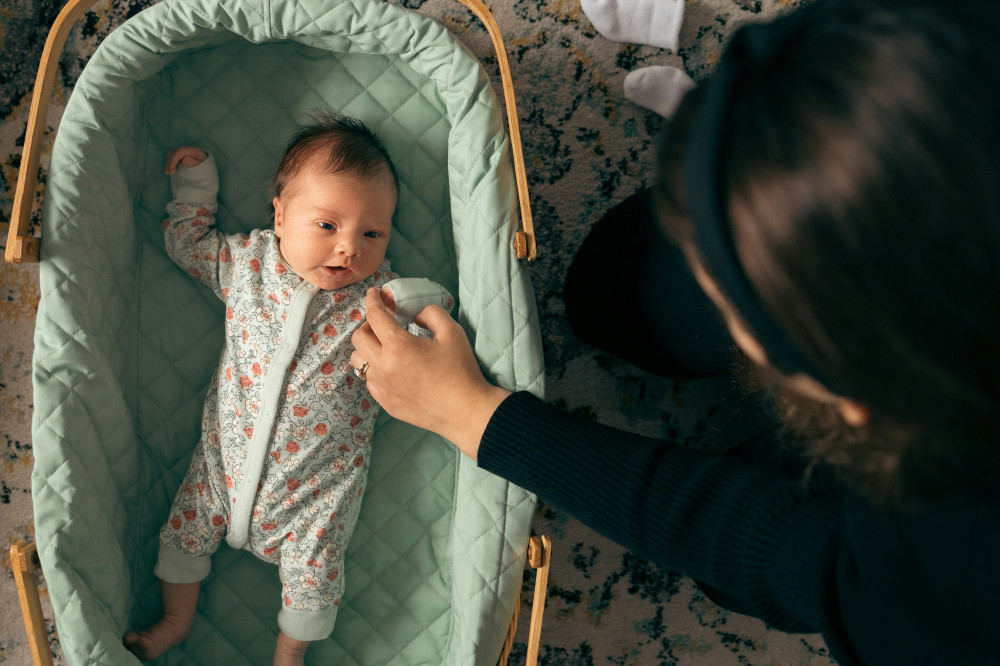
In the first years of life, play is all about exploring the senses. Babies touch, taste, squeeze, and listen—everything is new and fascinating. Sensory play is essential because it helps babies connect their bodies with the world around them.
When your baby splashes in water, shakes a rattle, or feels the difference between soft and rough textures, they’re building both motor skills and brain connections. Repetition and experimentation are how they learn how things work.
You can support sensory play by offering safe, engaging materials that spark curiosity: soft fabrics, balls, spoons, water, sand, and music. It’s not about fancy toys—it’s about time, presence, and letting your child explore freely.
Functional Play – When Actions Start to Have Meaning
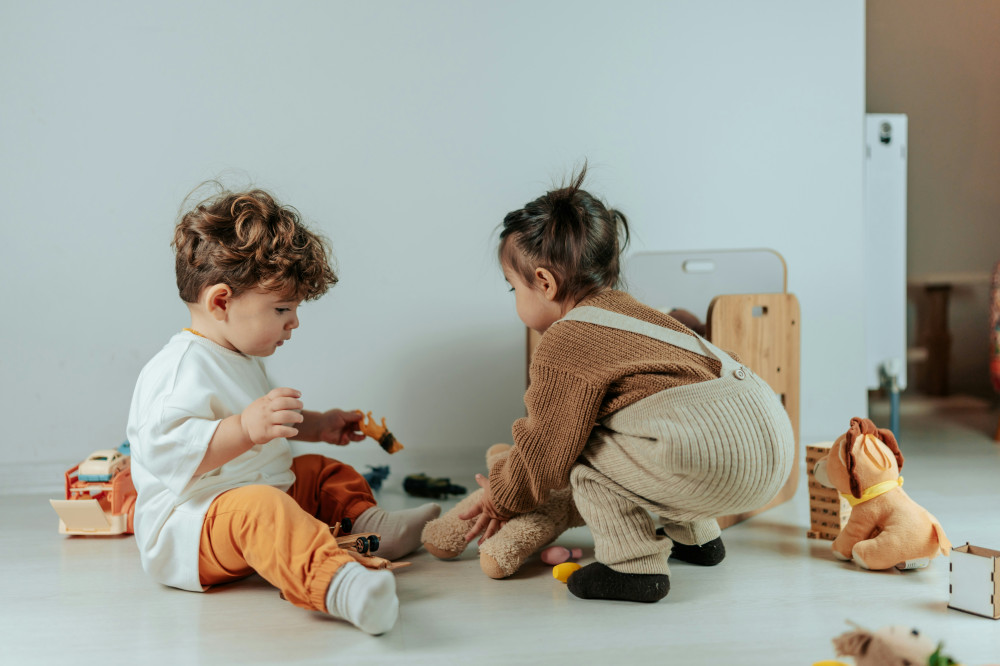
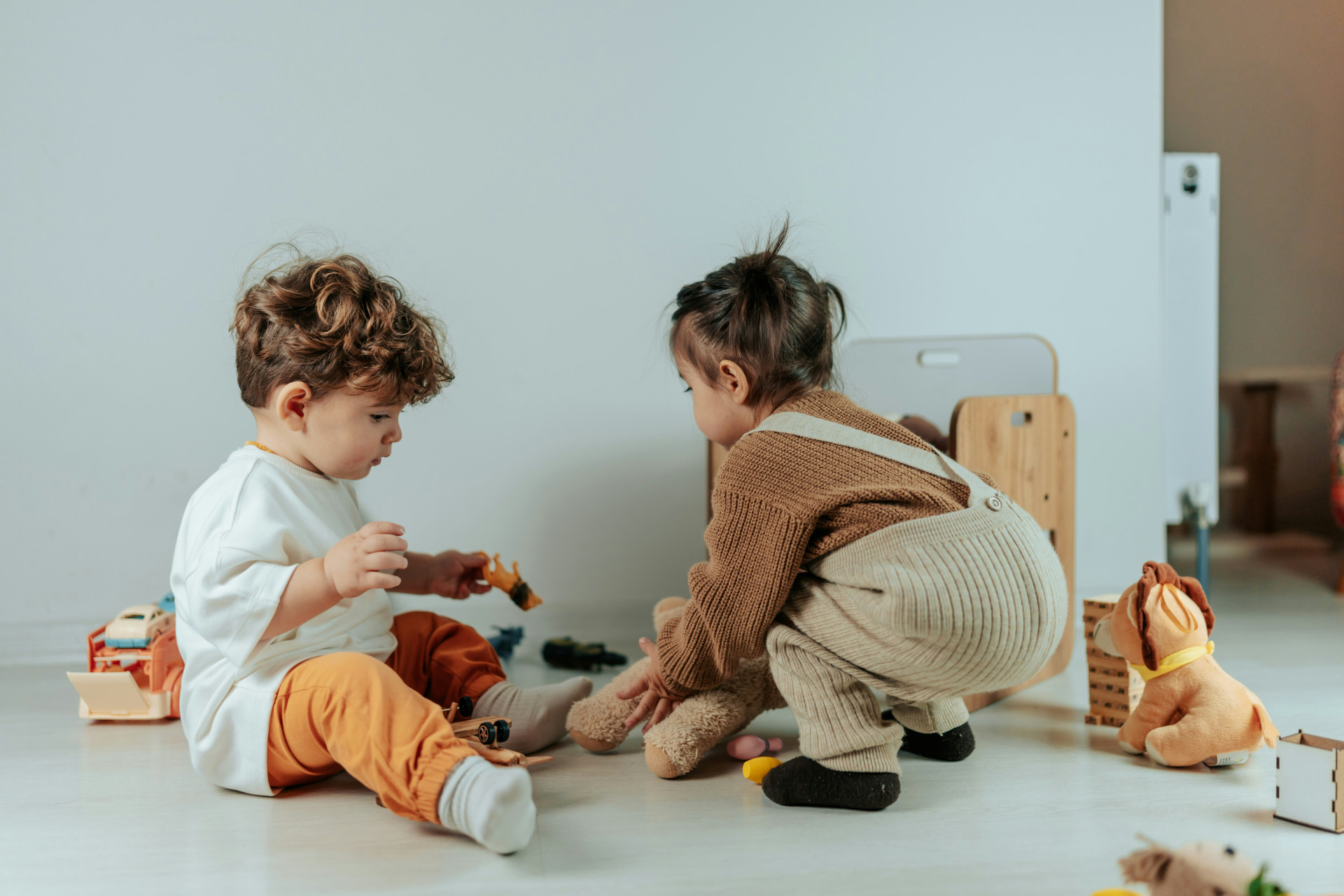
Around ages 1 to 3, children begin to repeat actions because they realize those actions have effects. They might stack blocks, push toy cars back and forth, or open and close drawers. This is called functional play.
Functional play strengthens a child’s understanding of cause and effect and gives them a sense of control. It’s also when imitation begins—your toddler might “stir the pot” or “talk on the phone,” just like you.
You can support this stage by involving your child in everyday activities. Hand them a small broom while you sweep, or let them pour water into cups. What looks like simple play is actually powerful learning in disguise.
Symbolic Play – When Imagination Comes Alive
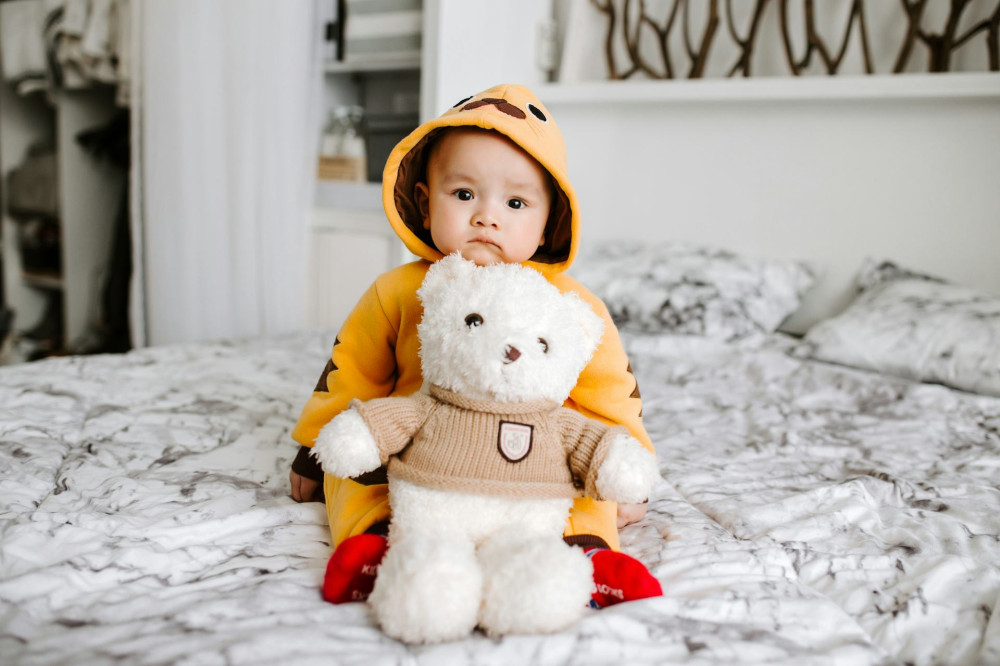
From about age 2 to 4, imagination takes center stage. A stick becomes a sword, a cardboard box turns into a house, and a stuffed animal suddenly has a personality. This kind of symbolic play is a big developmental leap because your child can now imagine things that aren’t physically present.
Symbolic play helps children process experiences and emotions. A child who recently visited the doctor might “play doctor” at home to make sense of what happened. It’s their way of understanding the world.
Support symbolic play by giving space for creativity and resisting the urge to direct the story. Instead of correcting, ask open-ended questions like, “What happens next?” The goal isn’t to make the play realistic—it’s to let your child’s imagination lead the way.
Pretend Play – When Children Step Into Someone Else’s Shoes
Around ages 4 to 6, play becomes more social. Children start playing with others in ways that involve roles and rules. It’s no longer just “playing house”—it’s about negotiating, cooperating, and understanding different perspectives.
Pretend play is a training ground for empathy and social skills. When children act out being superheroes, doctors, or teachers, they’re practicing how to see the world through someone else’s eyes and how relationships work.
You can support pretend play by providing time, space, and materials—dress-up clothes, props, and open areas where kids can create their own worlds. Even if the play looks chaotic, there’s often deep learning happening beneath the surface.
Games With Rules – When Structure and Teamwork Take Shape
As children approach school age, rules become an important part of play. Now it’s about following shared agreements, taking turns, and learning that sometimes you win and sometimes you lose. Games like tag, hide-and-seek, or board games help children develop cooperation and emotional regulation.
Games with rules also prepare children for school life, where structure and teamwork matter. They learn that play isn’t just about fun—it’s also about respect and fairness.
You can support this stage by playing games together, letting your child explain the rules, and helping them handle both victories and defeats with confidence and kindness.
Læs også:


Play as a Lifelong Way of Learning
From the first sensory discoveries to the rich world of pretend play, play runs like a thread through childhood. It evolves as your child grows—but it never truly disappears. Even adults “play” when they experiment, create, and explore.
By understanding how play develops, you can better support your child’s growth. It’s not about directing the play—it’s about creating an environment where curiosity, imagination, and connection can flourish. Through play, children don’t just learn about the world—they learn who they are.
Læs også: