Taking Responsibility for Learning: How to Help Your Child Gradually Take Charge of Their Own Learning

Taking Responsibility for Learning: How to Help Your Child Gradually Take Charge of Their Own Learning
Learning to take responsibility for one’s own learning is a vital life skill—one that extends far beyond school. When children learn to plan, reflect, and take initiative in their learning, they become more independent, motivated, and resilient. But this doesn’t happen automatically. As a parent, you play a key role in supporting your child through this process—without taking over. Here’s how you can help your child gradually take charge of their own learning.
What Does “Taking Responsibility for Learning” Mean?
It doesn’t mean that your child should handle everything alone. Rather, it’s about helping them understand how they learn best and encouraging them to take an active role in their own growth. This might include planning homework, setting goals, asking for help when needed, and evaluating their own progress.
For younger children, it often starts with small steps—remembering their backpack, starting homework without reminders, or taking initiative to practice a skill. For older students, it can mean managing larger projects, prioritizing time, and taking responsibility in group work.
Create Structure and a Sense of Security
Children learn best when they feel safe and have clear routines. You can support this by creating a structured environment for learning:
- Establish consistent routines for homework and study time so it becomes a natural part of the day.
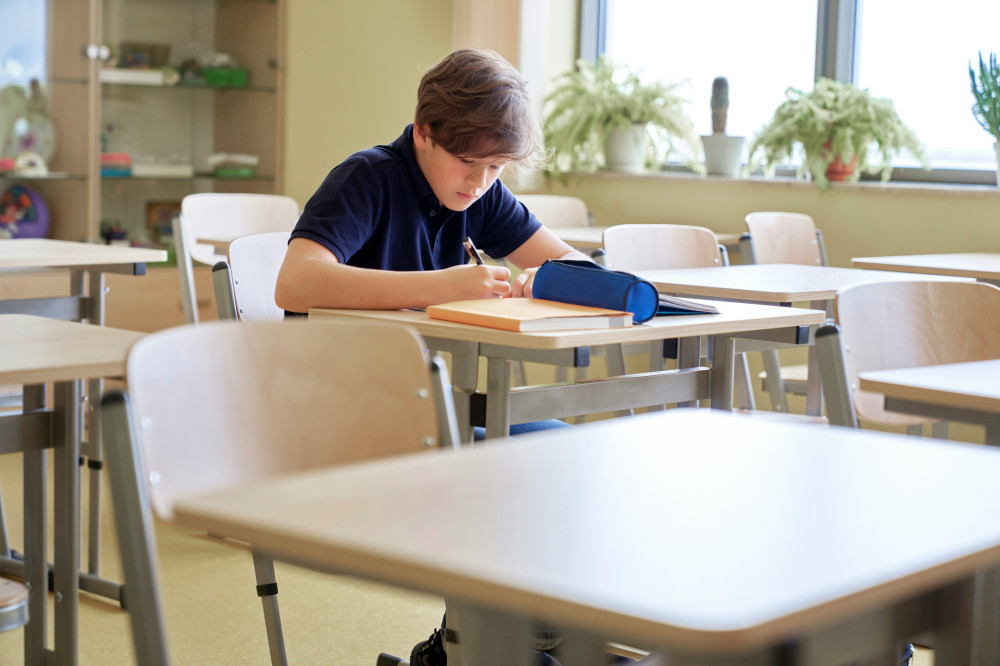
- Provide a quiet, organized space for focus—somewhere free from distractions.
- Talk about planning—help your child break big tasks into smaller steps and set realistic goals.
When children know what to expect and feel supported, it becomes easier for them to take responsibility within those boundaries.
Make Room for Mistakes and Growth
Taking responsibility also means being willing to make mistakes. If children fear criticism when they fail, they may become hesitant or dependent. Instead, treat mistakes as a normal and valuable part of learning.
You might ask:
- “What do you think you could try differently next time?”
- “What did you learn from what didn’t go as planned?”
By showing that mistakes are opportunities to learn, you help your child develop a growth mindset—the belief that abilities can be improved through effort and practice.
Support Motivation—Without Pressure
Motivation is the engine of learning. It grows when children experience meaning, mastery, and a sense of choice. You can nurture motivation by:
- Showing genuine interest in what your child is learning—ask curious questions rather than checking up.
- Connecting learning to real life—show how school knowledge applies in everyday situations, like cooking, shopping, or following the news.
- Praising effort, not just results—acknowledge persistence, focus, and improvement.
When children feel that their effort matters, they’re more likely to take ownership of their learning.
Encourage Reflection
Reflection helps children understand how they learn best. Guide your child to think about questions like:
- What went well today—and why?
- What was challenging, and how can I work on it?
- What do I want to improve next time?
These conversations don’t have to be long—try them at dinner or on the way home from school. Over time, your child will start asking themselves these questions and adjusting their approach independently.
Læs også:



Gradually Hand Over More Responsibility
Responsibility should grow with your child’s age and maturity. Too much too soon can cause stress, while too little can hold them back. A good rule of thumb is to let go in small steps:
- Elementary school: Help with structure and reminders, but let your child complete tasks independently.
- Middle school: Encourage your child to plan their own homework time and manage deadlines.
- High school: Support them in balancing schoolwork, activities, and social life, and talk about handling pressure and priorities.
By gradually giving more responsibility, you show trust—and trust is a powerful motivator.
Partner with the School
Teachers play a central role in your child’s learning, but collaboration between home and school is key. Talk with teachers about how you can work together to support your child’s independence. Ask how your child approaches learning in class and how you can reinforce those habits at home.
When children see that parents and teachers are on the same team, it’s easier for them to understand what taking responsibility for learning really means.
A Shared Journey—Not a Struggle
Learning to take responsibility is a process that takes time, patience, and support. It’s not about letting go all at once, but about walking the path together—step by step.
When you show interest, ask thoughtful questions, and make space for both successes and mistakes, you help your child develop skills that reach far beyond school: independence, reflection, and a lifelong love of learning.
Læs også: