Small Breaks, Big Difference: Everyday Calm Boosts Children’s Well-Being

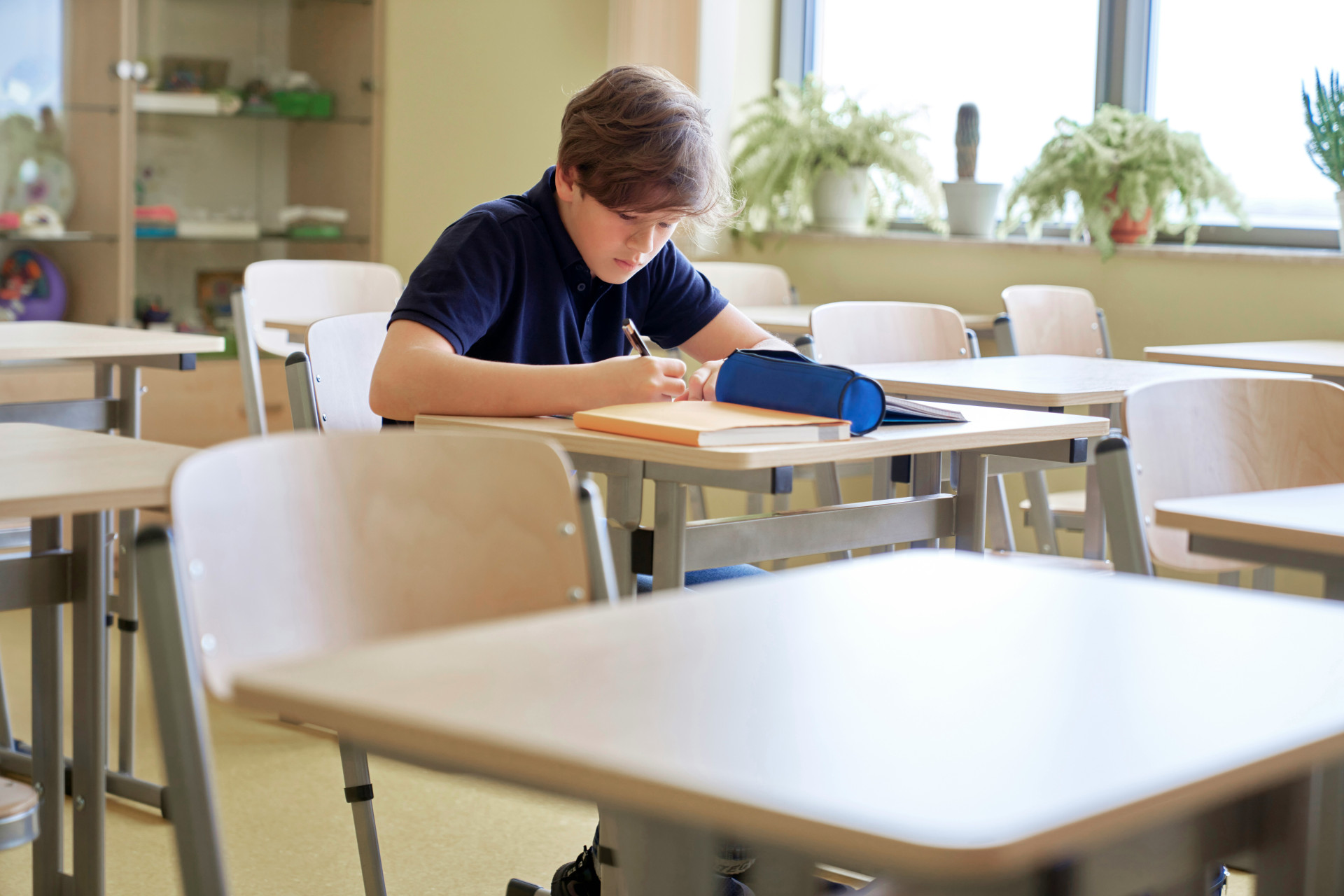
Small Breaks, Big Difference: Everyday Calm Boosts Children’s Well-Being
In a world where families juggle work, school, sports, and screens, daily life can easily feel like a race. For children, that often means little time to simply be—without noise, pressure, or schedules. Yet research and experience show that small moments of calm throughout the day can make a big difference in children’s well-being, focus, and emotional balance.
Why Calm Matters for Kids
Children need downtime to process experiences, recharge, and find their footing in a world that constantly demands their attention. When life moves too fast, it can lead to restlessness, sleep problems, and difficulty concentrating. Calm isn’t just about silence—it’s about creating an environment where a child feels safe and free from constant performance expectations.
Teachers and caregivers often notice that children who have opportunities to pause during the day are more attentive, cooperative, and creative. It’s in those quiet moments that the brain digests learning and experiences—and where children reconnect with themselves.
Small Breaks in a Busy Day
Creating calm doesn’t require major changes. In fact, small, intentional pauses can make a noticeable difference. Here are a few simple ways to bring more calm into everyday life:
- Unhurried mornings – Wake up a little earlier so there’s time to eat breakfast and talk before the day begins.
- Screen-free moments – Set aside times when phones, tablets, and TVs are off, making space for real connection.
- Gentle transitions – Give your child a few minutes to shift from one activity to another. A short pause can make transitions smoother.
- Shared quiet time – Read a book, take a walk, or listen to music together. It’s not about doing something special—it’s about being together without pressure.
- Time alone – Children also need solitude. A cozy corner with pillows, art supplies, or books can become a personal retreat.
Calm as Part of Learning
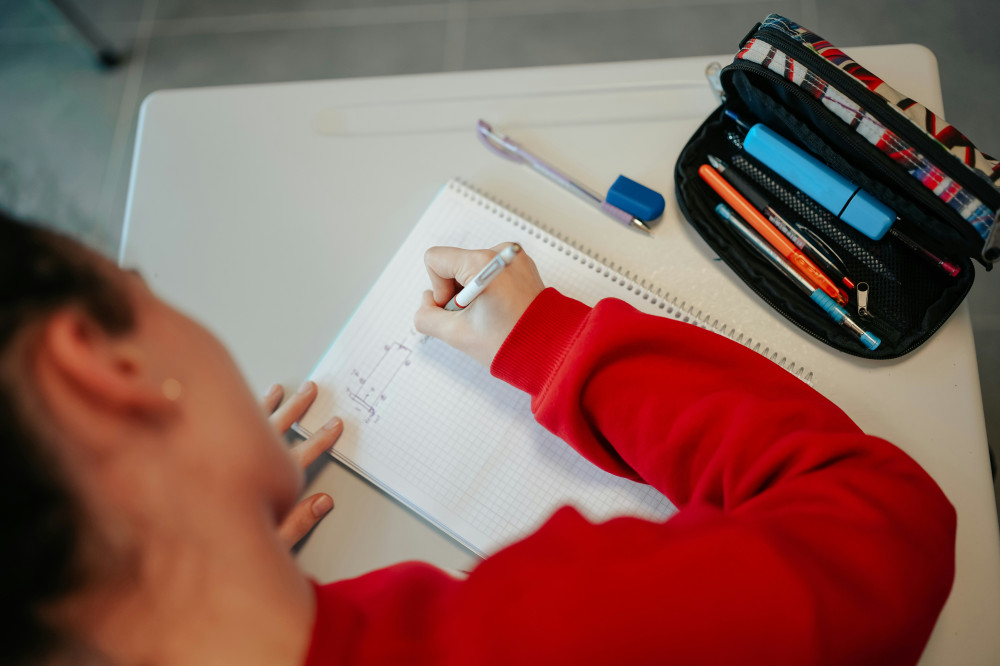
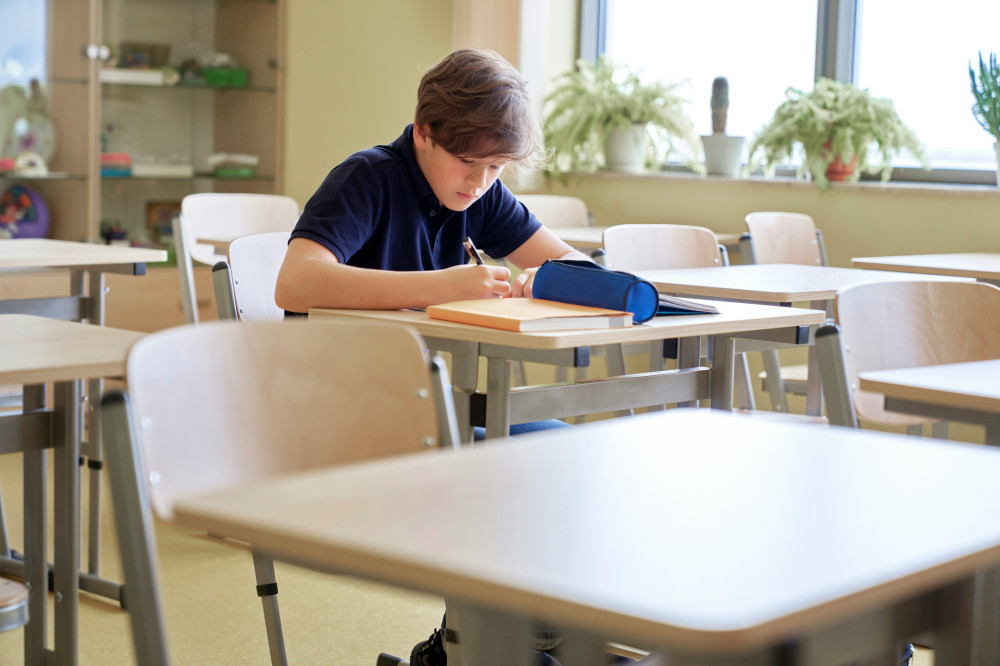
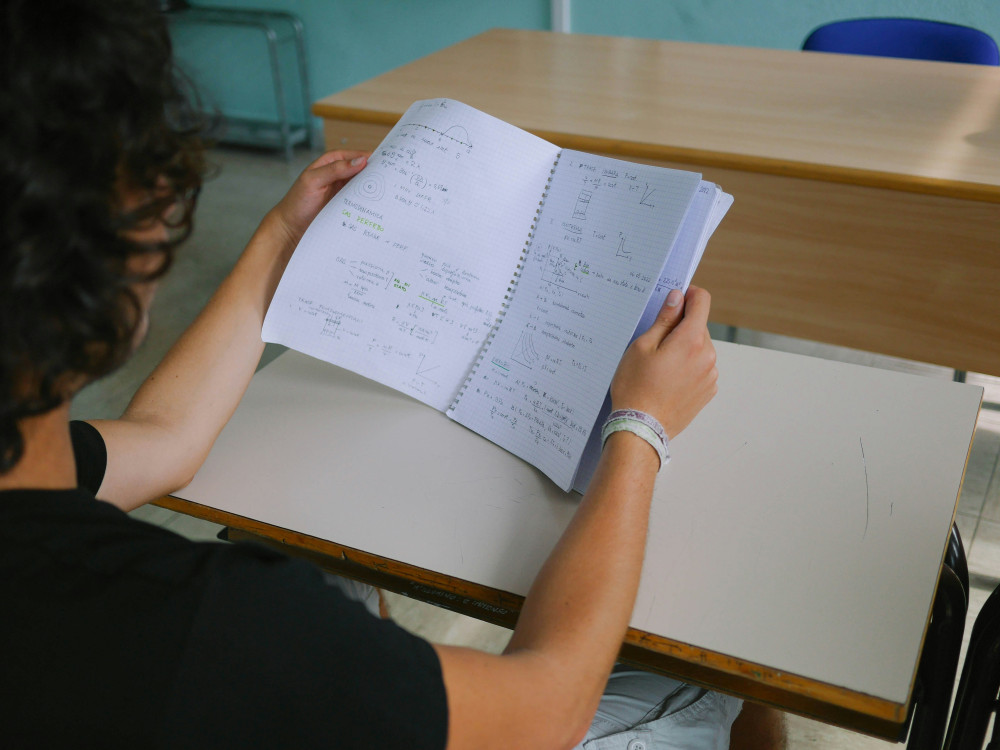
In schools, calm can also be a powerful part of the learning environment. Many classrooms across the U.S. are introducing short mindfulness or breathing exercises to help students focus. It can be as simple as sitting quietly for a minute and noticing their breath before a lesson begins.
These small moments of stillness can strengthen children’s ability to concentrate and reduce stress. They also teach that calm isn’t passive—it’s an active way to take care of oneself.
The Parent’s Role
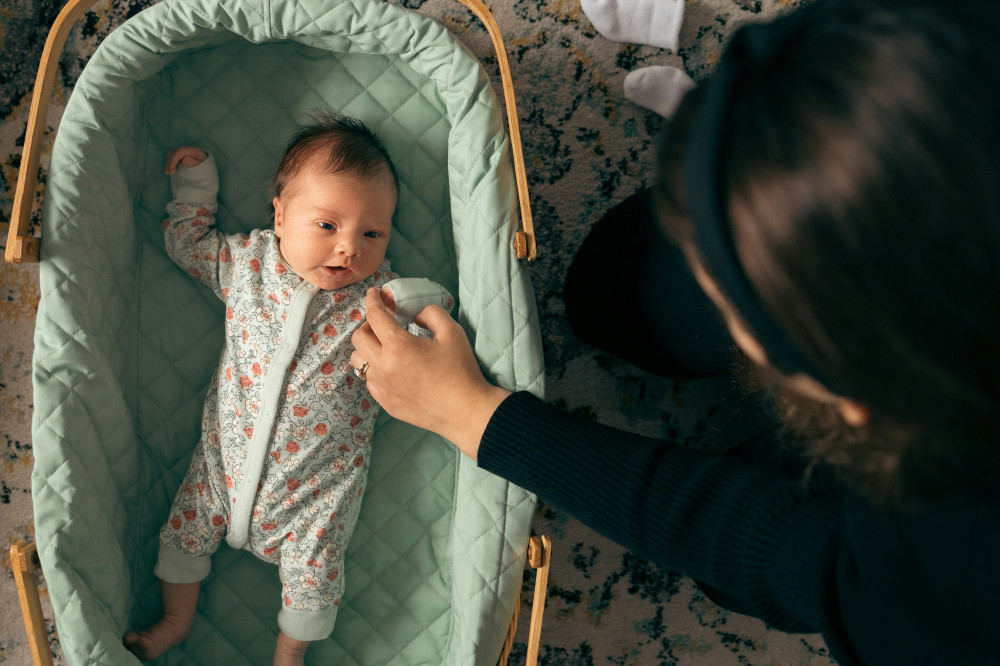
Children mirror the adults around them. If parents are always rushing or checking their phones, kids learn that constant busyness is the norm. Calm often starts with the grown-ups. Showing that you also need—and take—breaks sends a powerful message.
That might mean sipping a cup of coffee without multitasking, taking a short walk, or simply sitting together on the couch without talking. When children see calm as a natural part of daily life, it becomes easier for them to find it on their own.
Læs også:


An Investment in Well-Being
Creating calm in everyday life isn’t about removing everything fun or exciting—it’s about balance. When children have time to unwind, they’re better equipped to handle challenges, learn new things, and connect with others. Calm builds resilience—mentally and emotionally.
Small breaks may seem insignificant, but they’re like little breathing spaces that help families slow down and reconnect. And it’s in those quiet moments that well-being, confidence, and joy truly grow.
Læs også: