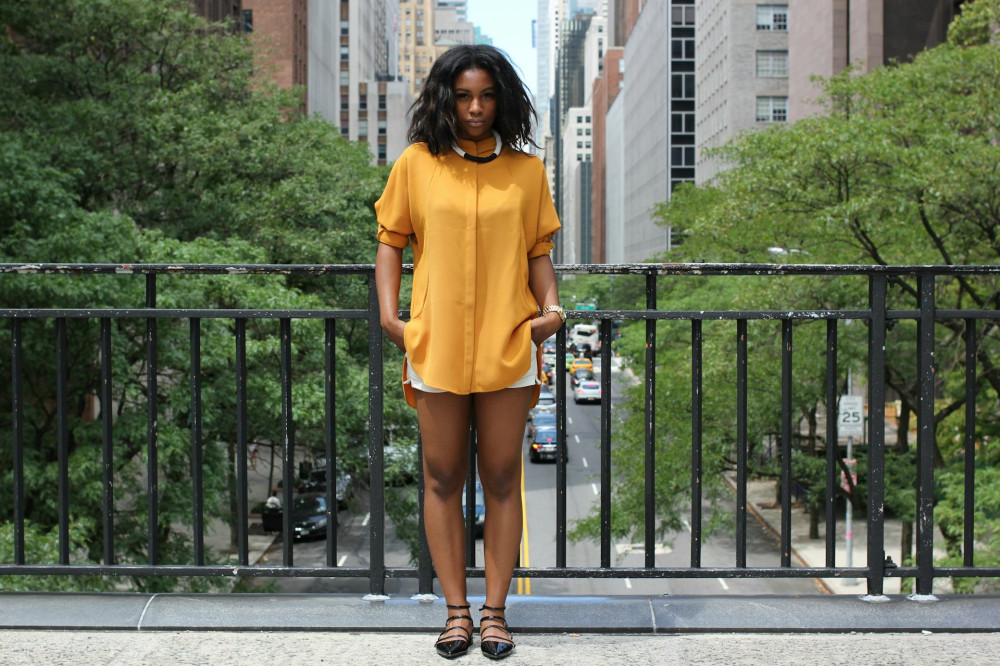
Cohesive Style – Without Everyone Having to Match

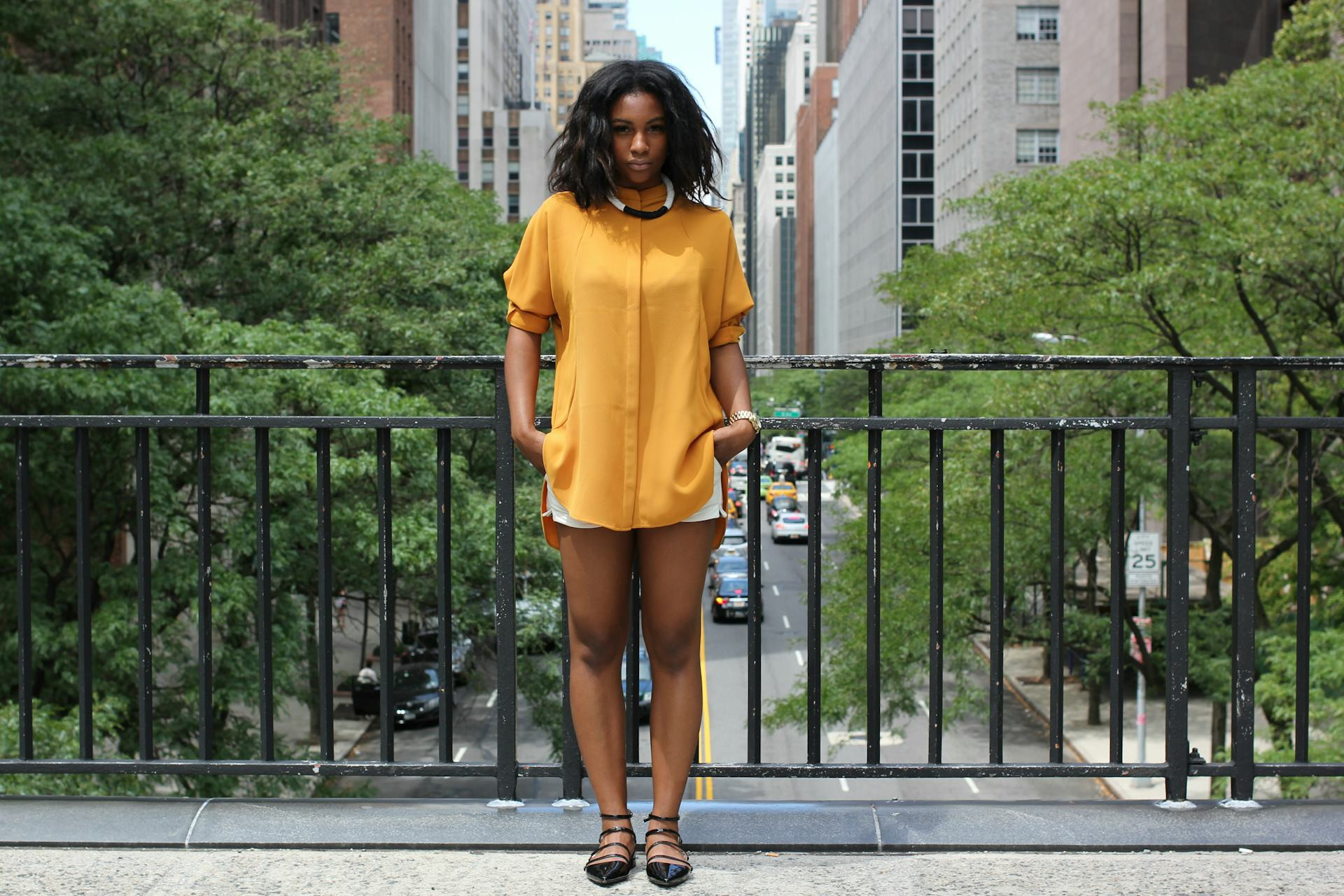
Cohesive Style – Without Everyone Having to Match
When people think about style, they often imagine everything perfectly coordinated—colors, patterns, materials, and shapes that fit together seamlessly. But true style isn’t about uniformity. In fact, it’s often the contrasts that make a look or a space feel authentic and alive. In a culture that celebrates individuality, the art of creating cohesion without sameness has become a defining part of both fashion and interior design.
Cohesion Is About the Overall Impression
Cohesion happens when the different elements speak to each other—not because they’re identical, but because they share a common tone, mood, or visual thread. It might be a recurring color palette, a consistent texture, or a shared sense of proportion.
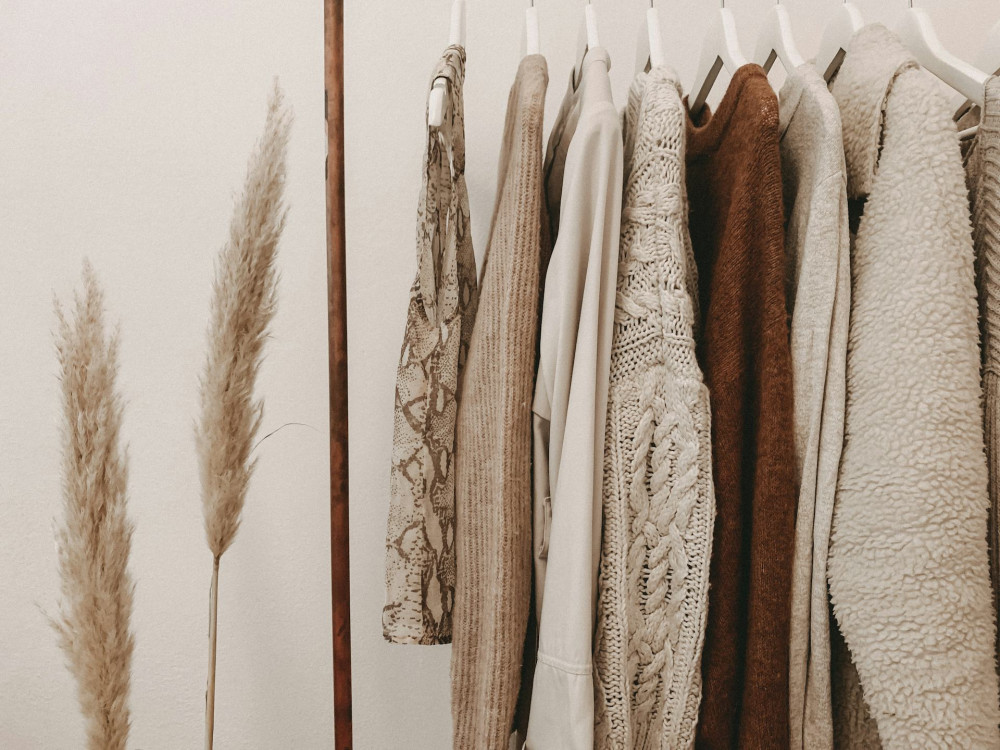
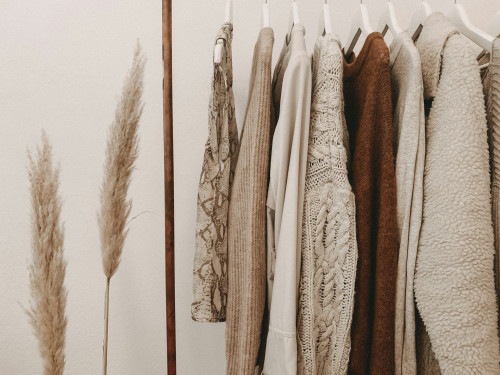
In your wardrobe, that could mean mixing different styles but keeping one color that ties everything together. In your home, it might mean pairing modern furniture with vintage finds, while using similar wood tones or fabrics to create a sense of calm and continuity.
It’s not about everything matching—it’s about creating balance. A cohesive style gives the eye a place to rest, even when the pieces themselves are diverse.
When Variety Becomes a Strength
A wardrobe or a room where everything matches perfectly can quickly feel flat. Variety brings life and character. A pair of worn-in jeans can look fresh with a tailored blazer, and a bold patterned rug can add warmth to a minimalist space.
It’s in the unexpected combinations that style becomes interesting. When you mix old and new, high-end and thrifted, classic and contemporary, you’re expressing who you are—not just what you own.
A helpful trick is to choose one standout element and let the rest support it. That could be a color, a pattern, or a unique material. This approach keeps things dynamic while maintaining a sense of unity.
Læs også:


Color as a Connecting Thread
Color is one of the most powerful tools for creating cohesion. You don’t have to stick to a single hue, but choose tones that harmonize. A warm shade can be echoed in accessories, throw pillows, or small details, making the whole look intentional.
For example, if you have a bold statement piece—say, a cobalt-blue coat—you can repeat that color in subtle ways through a scarf, nail polish, or a piece of jewelry. The same principle applies to interiors: repeat colors in small doses across rooms to make the space feel connected.
Materials and Textures Add Depth
Cohesion isn’t just about color—it’s also about texture. Combining different materials—smooth and rough, shiny and matte—adds depth and makes a look or space feel more layered and interesting.
In fashion, that might mean pairing wool with silk or denim with leather. In home design, it could be mixing natural materials like wood, stone, and cotton with metal or glass. The contrast creates energy, while the balance of textures keeps everything grounded.
Personality as the Unifying Element
The most important source of cohesion is you. When you choose clothes, colors, and shapes that feel right for you, a natural thread of consistency appears. Your personality becomes the glue that holds everything together—not a set of rigid rules.
That’s why it’s perfectly fine if not everything matches. A style with small imperfections often feels more genuine and alive than one that’s overly planned. The goal is to let your individuality shine through your choices.
Cohesion Without Uniformity
Creating a cohesive style without making everything match is a balancing act. It takes an eye for the big picture and the confidence to break patterns. When you mix and experiment while staying true to a shared tone or feeling, you create that special harmony that makes your style both personal and cohesive.
So next time you’re getting dressed or decorating a room, don’t ask, “Does this match?” Instead, ask, “Does this feel like me?” That’s where true cohesion begins.
Læs også: