Behind the Scenes with the Funeral Director: Creating a Safe and Seamless Experience

Behind the Scenes with the Funeral Director: Creating a Safe and Seamless Experience
When a loved one passes away, families are faced with grief, decisions, and a flood of emotions. In that moment, the funeral director becomes a steady guide—someone who helps bring order, calm, and compassion to a time that can feel overwhelming. But what really happens behind the scenes when a funeral director plans a service? And how do they ensure that the experience is both safe and seamless for the family?
The First Meeting – Finding Calm in the Chaos
The first conversation between a funeral director and a family is rarely just about logistics. It’s about listening. The director’s role is to understand who the deceased was and what the family needs—emotionally, spiritually, and practically.
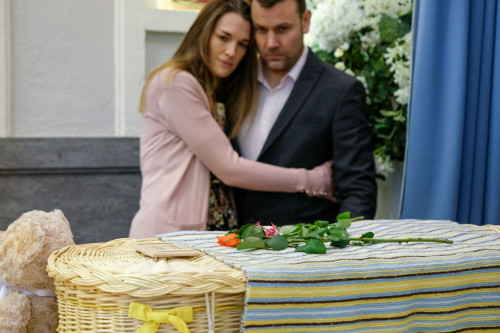
This meeting often takes place at the funeral home or in the family’s home, wherever they feel most comfortable. Together, they discuss everything from the type of service—traditional, religious, or celebration of life—to details like casket or urn selection, music, flowers, and readings. Just as important, the funeral director helps the family discover what feels right for them.
No two farewells are alike. Some families want a formal church service, while others prefer a gathering in a park, a community center, or even a private backyard. The funeral director’s job is to create the framework, not dictate the form.
Planning and Coordination – Bringing It All Together
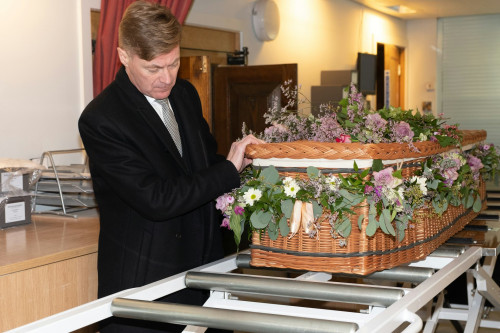
Once the family’s wishes are clear, the practical work begins. The funeral director coordinates with clergy, cemeteries, crematories, florists, and musicians. It’s a complex process that requires organization, attention to detail, and sensitivity—especially since everything often needs to come together within just a few days.
In addition to planning the ceremony, the funeral director handles the necessary paperwork: filing the death certificate, obtaining permits, and guiding families through Social Security notifications or veterans’ benefits if applicable. For many families, it’s a relief to know that someone is managing the details so they can focus on saying goodbye.
The Personal Touch – When Details Make the Difference
While much of the work happens behind the scenes, it’s often the small, personal touches that make a service truly meaningful. It might be a favorite song, a display of photographs, or a symbolic gesture like releasing doves or planting a tree.
The funeral director helps turn these ideas into reality. It takes empathy, creativity, and an understanding of how rituals and symbols can bring comfort in grief. When a service reflects the life and personality of the person who has passed, it becomes more than a farewell—it becomes a story of remembrance and love.
Læs også:

After the Service – Continuing Support
The funeral director’s role doesn’t necessarily end when the service is over. Many offer follow-up support, such as assistance with burial arrangements, memorial markers, or guidance on grief resources.
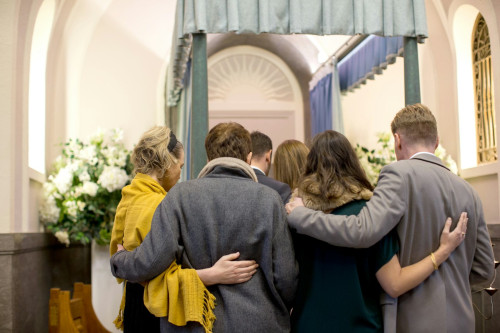
For some families, the hardest part begins after the ceremony, when the quiet sets in. Knowing that there’s still someone they can reach out to—a professional who understands the process—can make a world of difference. Some funeral homes also partner with local counselors or grief support groups to help families navigate the weeks and months that follow.
A Profession of Heart and Craft
Being a funeral director requires more than organizational skill. It’s a profession built on empathy, ethics, and respect. Every service is unique, and every family’s story is different. Behind the calm demeanor and careful planning lies a deep sense of responsibility: to ensure that everything proceeds with dignity and that the family feels supported every step of the way.
For many funeral directors, that’s what makes their work meaningful—the opportunity to bring peace and continuity to one of life’s most vulnerable moments.
A Trustworthy Farewell Begins with Connection
Choosing a funeral director is, in many ways, choosing a companion for a difficult journey. Trust and openness are essential for the process to feel right.
A good funeral director takes time to listen, asks thoughtful questions, and respects both tradition and individuality. When that trust is established, the farewell becomes more than a logistical task—it becomes a heartfelt, seamless experience. A final goodbye that feels true, comforting, and complete.
Læs også: