Accepting Death as a Natural Part of Life

Accepting Death as a Natural Part of Life
Death is an inevitable part of life, yet for many Americans, it remains one of the most difficult topics to talk about. We often associate it with grief, fear, and loss—but it is also one of the few experiences that unites us all. Accepting death as a natural part of life is not about denying sorrow; it’s about learning to live with the awareness of life’s impermanence and allowing that awareness to bring deeper meaning to our days.
Why We Struggle to Talk About Death
In modern American culture, death has largely been pushed out of sight. Most people die in hospitals or care facilities, and the rituals surrounding death are often handled by professionals. As a result, many of us rarely encounter death directly. At the same time, we live in a society that celebrates youth, productivity, and control—everything death seems to contradict.
When we avoid talking about death, we also lose the chance to understand it. Silence allows fear to grow, making it harder to cope when death inevitably touches our lives—whether through the loss of someone we love or the recognition of our own mortality.
Seeing Death as Part of Life’s Cycle
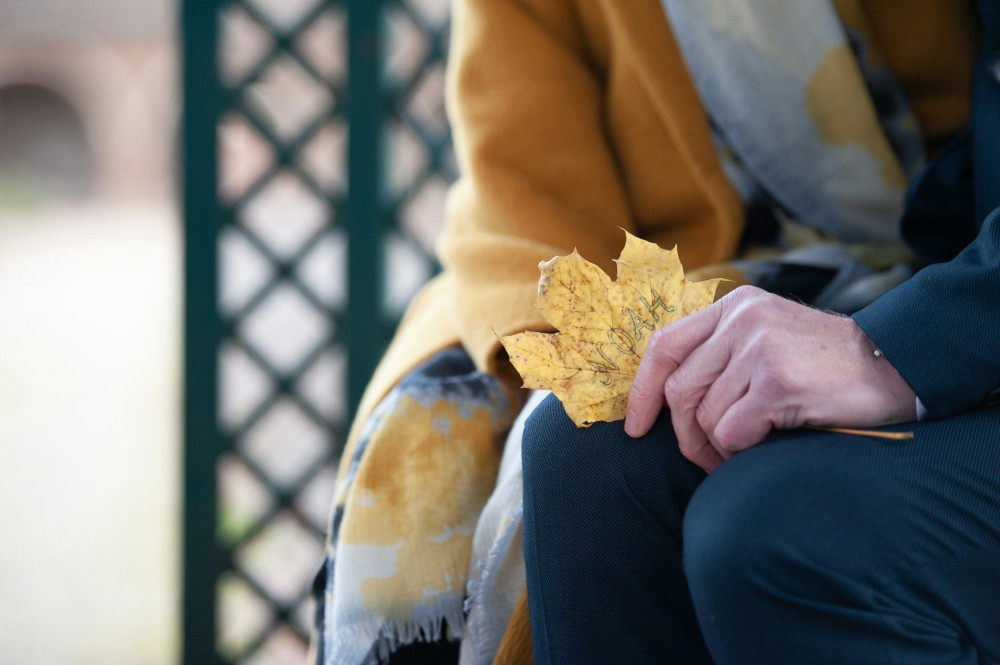
In nature, death is not an end but a transformation. The changing seasons, the falling leaves, and the renewal of spring all remind us that life and death are intertwined. Many spiritual and philosophical traditions—from Indigenous beliefs to Buddhism and Christianity—teach that death is part of a larger cycle, not merely a final stop.
To accept death is not to welcome it, but to acknowledge its place in the rhythm of existence. This perspective can bring a quiet peace and a deeper gratitude for the time we have and the people we share it with.
The Importance of Conversation
One of the most powerful steps toward accepting death is simply talking about it. Conversations about end-of-life wishes, medical care, or funeral plans can feel uncomfortable, but they also bring clarity and comfort—to ourselves and to those we love.
In recent years, movements like “death cafés” and end-of-life planning workshops have encouraged Americans to speak more openly about mortality. Many find that putting words to their fears or hopes makes death less intimidating and opens the door to more honest, meaningful conversations about life itself.
When Death Comes Close
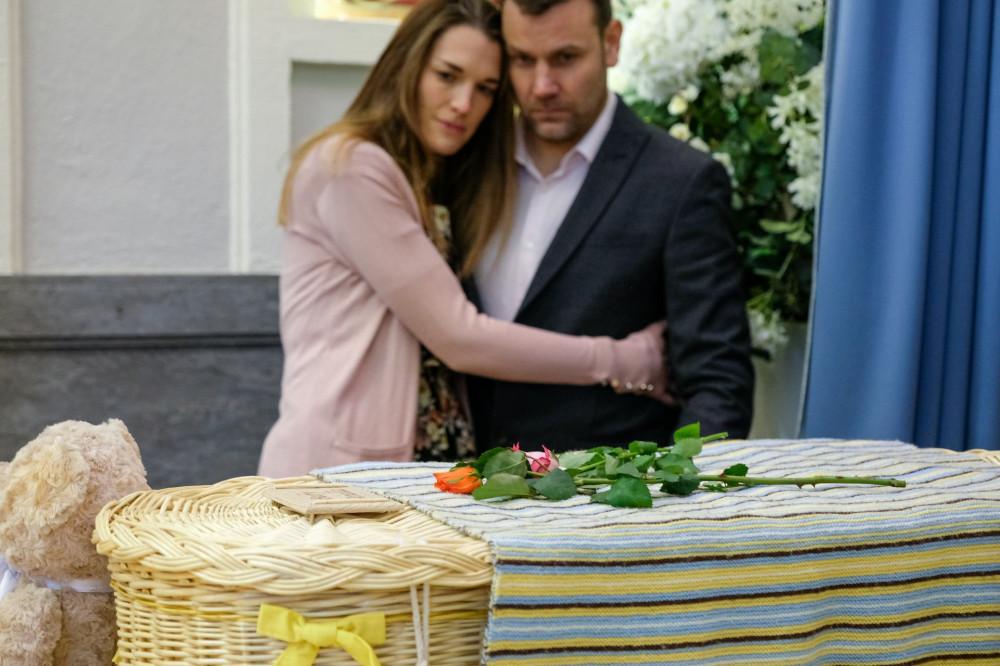
When we lose someone dear, death feels anything but natural. Grief can be overwhelming, and healing takes time. Yet within that pain, many people discover a new understanding of life’s fragility and value.
Allowing ourselves to grieve—without rushing the process—is essential. Grief is the price of love, and it reminds us that we have truly lived and cared deeply. Over time, the sharpness of loss can soften into quiet gratitude for the moments shared.
Læs også:
Living with Death as a Companion
Accepting death can change how we live. It can help us focus on what truly matters: relationships, experiences, and presence. Knowing that life is finite can inspire us to live more fully, to forgive more easily, and to appreciate the ordinary beauty of each day.
Some find comfort in faith or spiritual practice; others in nature, art, or community. Whatever form it takes, acceptance of death can deepen our connection to life itself. It reminds us that every moment is both fleeting and precious.
A Quiet Acceptance
Accepting death is not a single decision but a lifelong process. It means finding peace with what we cannot control—not by denying sorrow, but by allowing it to be part of what makes us human. When we dare to face death with openness, we also learn to see life more clearly, to love more deeply, and to live more fully.
Læs også: