Regular Family Activities Boost Well-Being and Create Everyday Structure


Regular Family Activities Boost Well-Being and Create Everyday Structure
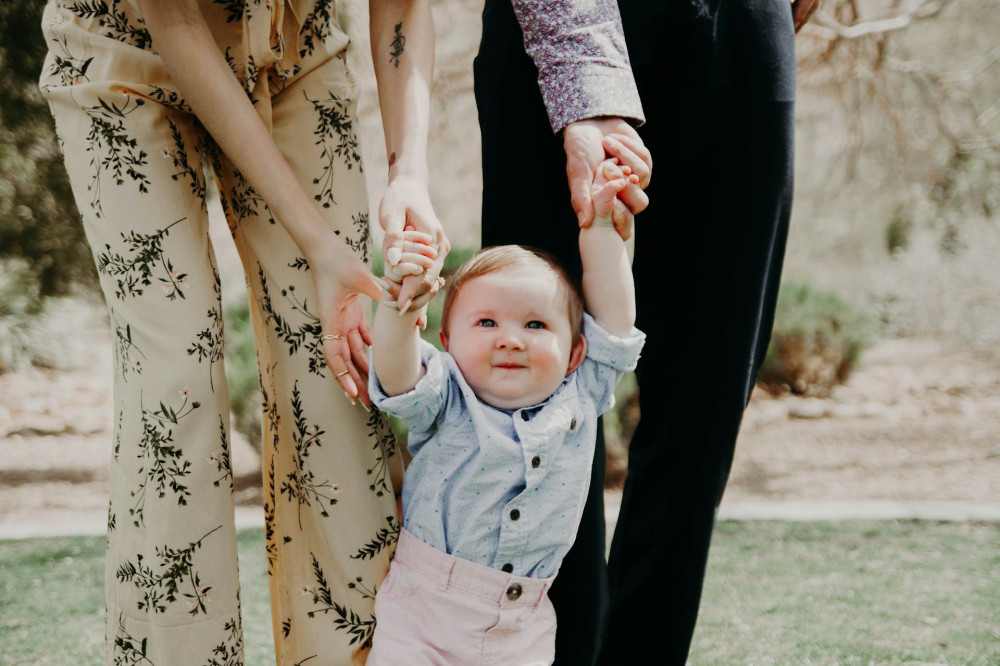
In today’s busy world, where work, school, sports, and screens compete for attention, finding time together as a family can be a real challenge. That’s exactly why regular family activities matter so much. They create structure, connection, and shared experiences that strengthen both well-being and family bonds. It’s not about big events or expensive outings—it’s about small, consistent routines that give everyone a sense of stability and belonging.
Why Regular Activities Make a Difference
Research on family life and child development shows that consistent shared activities—like family dinners, weekly game nights, or Sunday walks—have a positive impact on both children’s and adults’ mental health. When families come together around familiar routines, it builds predictability and emotional security. Children, in particular, benefit from knowing what to expect and feeling that they are part of something steady and meaningful.
For parents, these moments can also be a welcome break from daily demands—a chance to slow down, reconnect, and enjoy time together without distractions. Often, it’s during these simple, unplanned moments that the best conversations happen.
Building Structure Through Small Rituals
Creating structure doesn’t mean filling every hour with plans. It’s more about rhythm and consistency. Here are a few ways small rituals can make a big difference:
- Family meals – Eat together as often as possible, and use the time to talk about everyone’s day. Even 20 minutes without phones or TV can strengthen family bonds.
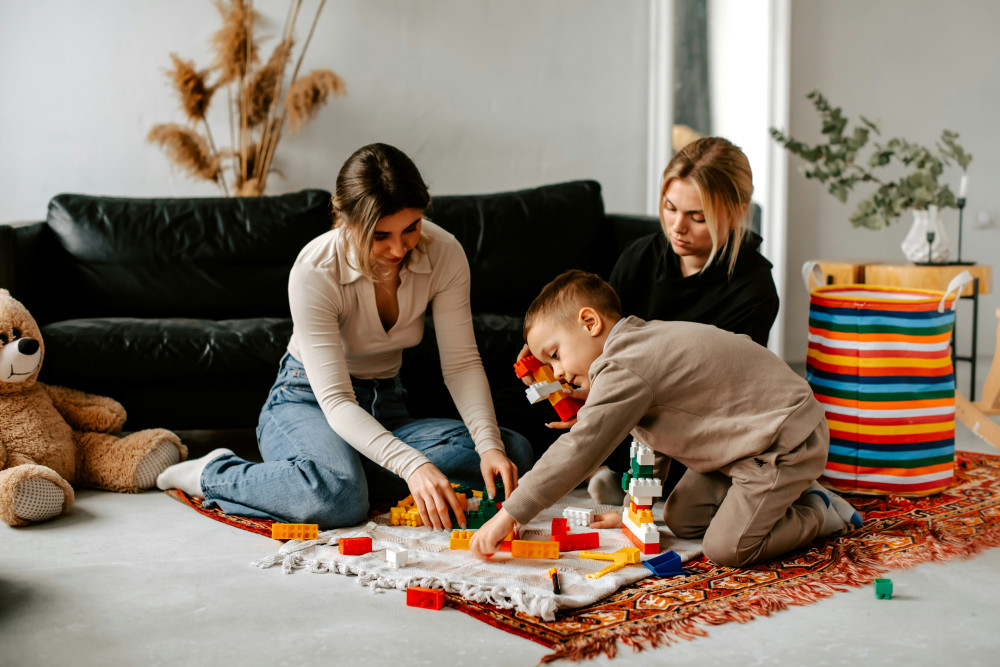
- Weekly family time – Pick a regular day for a shared activity: play a board game, cook dinner together, or watch a movie.
- Weekend rituals – Start Saturday with a pancake breakfast or end Sunday with a walk around the neighborhood. These routines help mark the transition between week and weekend.
- Everyday moments – Read a bedtime story, share a laugh in the car, or check in before school. These small interactions often mean the most.
When these activities become part of the family’s natural rhythm, they require less planning—and are easier to maintain.
Læs også:


Involve Everyone
For regular family activities to work, everyone should have a voice. Let kids help choose what to do. Maybe they’d rather bake cookies than play a game, or go for a bike ride instead of watching a movie. When everyone contributes ideas, it’s easier to create enthusiasm and commitment.
It can also help to adjust activities with the seasons or family energy levels. In summer, you might go hiking or have a picnic; in winter, you might stay in for crafts or a movie marathon. The key is to keep it enjoyable and flexible.
Shared Experiences Strengthen Relationships
When families share experiences, they create memories and stories that tie them together. It could be a failed attempt at making homemade pizza or a spontaneous trip to the park. These moments become part of the family’s story—something to laugh about and remember for years to come.
Shared activities also teach important life skills like cooperation, patience, and empathy. Children learn to listen, take turns, and support one another—values that extend far beyond the home.
When Life Gets Busy
Even with the best intentions, busy schedules can get in the way. Work, homework, and extracurriculars can make it hard to find time. The key is to stay flexible. A family activity doesn’t have to take long—the most important thing is that it happens regularly.
Consider using a shared calendar to mark family time. Seeing it written down helps everyone prioritize it and prevents it from being lost in the shuffle of daily life.
An Investment in Family Well-Being
Regular family activities aren’t just fun—they’re an investment in your family’s well-being. They create structure, strengthen relationships, and give children a sense of security and belonging. For adults, they offer a chance to slow down and be present in the moment.
In a time when life often feels rushed, these consistent, shared moments can be what keeps a family grounded. They remind everyone that, no matter how busy things get, you have each other—and that’s what truly matters.
Læs også: