Games That Strengthen Friendships and Community

Games That Strengthen Friendships and Community
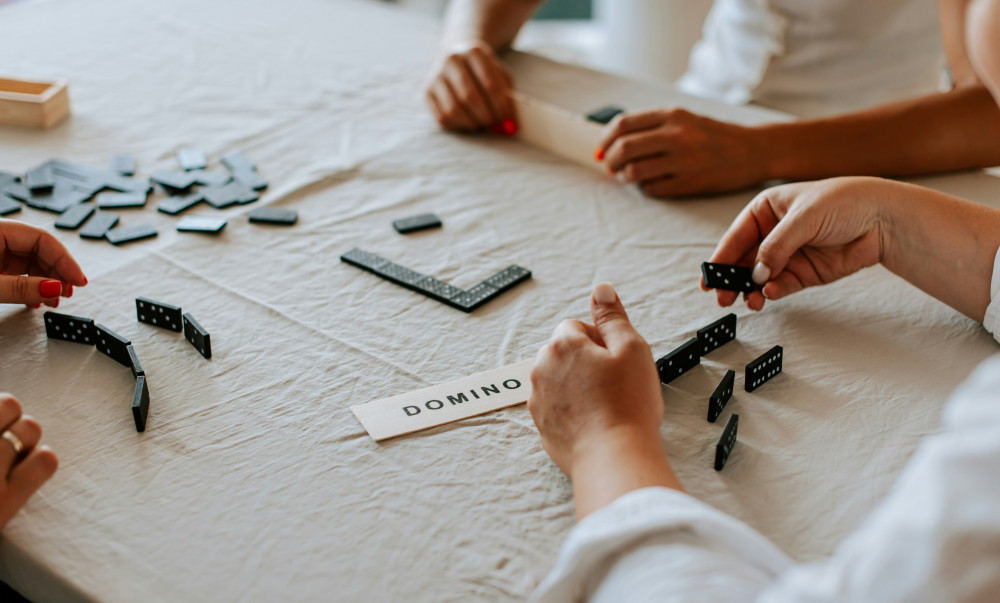
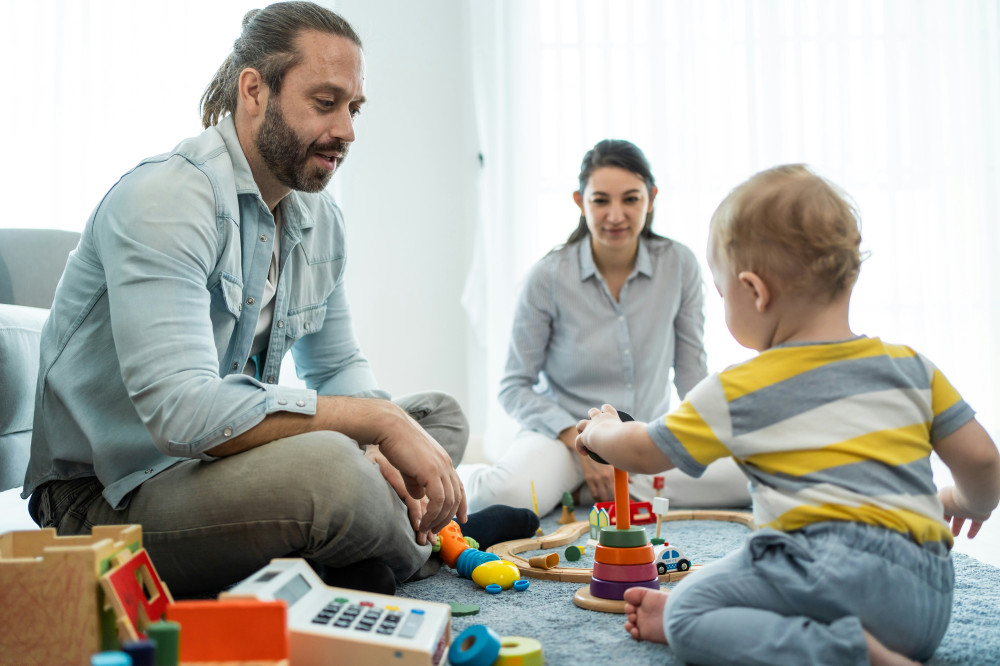
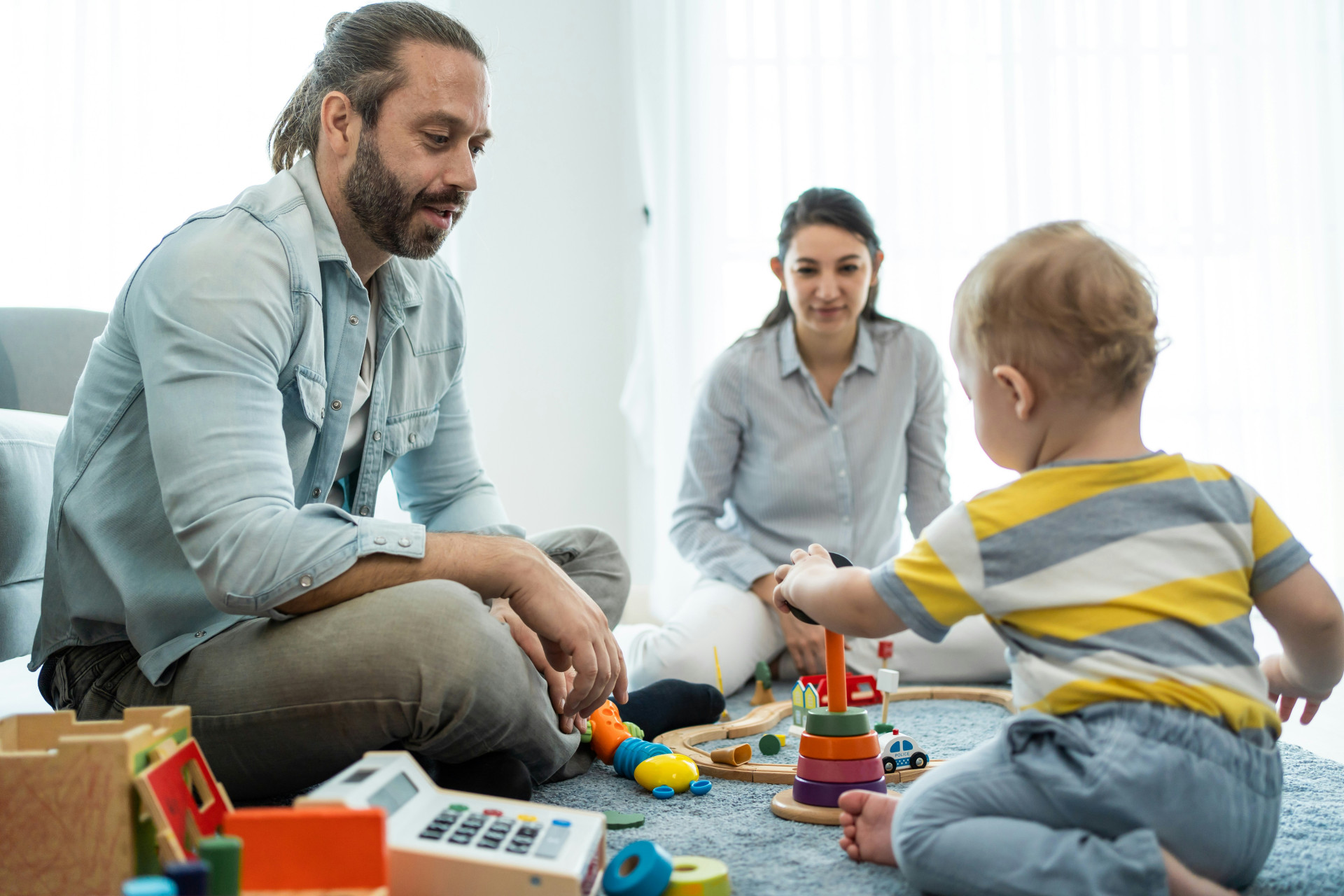
Play isn’t just for kids—it’s one of the most natural ways people connect. Through games, we learn to cooperate, build trust, and understand one another better. Whether it’s at a family gathering, a neighborhood event, or a workplace retreat, the right games can spark laughter, closeness, and a sense of belonging. Here’s some inspiration for games that strengthen friendships and community—and that can be adapted for both children and adults.
Why Play Brings Us Together
When we play, we step out of our everyday roles and into a shared space where the rules are simple and the goal is fun. That shared experience creates trust and connection. Research shows that play encourages empathy, teamwork, and communication—qualities that are essential for strong relationships.
Play is a kind of social language. It helps us read each other’s cues, take turns, and share experiences. That’s why play isn’t just entertainment—it’s a powerful tool for building and maintaining friendships.
Games That Build Trust
Trust is the foundation of any friendship. Games that require people to rely on one another can be a fun and safe way to strengthen it.
- Trust Fall – The classic exercise where one person falls backward and is caught by their teammates. It works best in groups that already know each other a bit and can create a strong sense of unity.
- Blindfold Obstacle Course – One person wears a blindfold while a partner guides them through a short obstacle course using only verbal instructions. It’s a great way to practice clear communication and trust.
- Mirror Game – Two people face each other. One makes slow movements while the other mirrors them as precisely as possible. It requires focus and presence—and usually ends in laughter.
Games That Encourage Teamwork
Teamwork games are about solving challenges together and realizing that success comes when everyone contributes.
- Build the Tallest Tower – Divide into small teams and give each group materials like paper, tape, and straws. Who can build the tallest tower in ten minutes? This game sparks creativity and collaboration.
- Balloon Relay – Pairs must carry a balloon between them without using their hands. It takes coordination and teamwork—and almost always ends in giggles.
- Group Challenge Course – Instead of competing, the whole group works together to complete a course, such as balancing an object collectively or moving as one unit. It’s a great way to shift focus from competition to cooperation.
Læs også:

Games That Create Laughter and Connection
Some games are simply about having fun together—and that’s one of the best ways to build community.
- Name Game with a Twist – Everyone says their name and adds a movement or gesture that the group repeats. It’s a great icebreaker for new groups.
- The Never-Ending Story – One person starts a story with a single sentence, and each person adds a new sentence in turn. The story quickly becomes unpredictable and hilarious.
- Human Knot – Participants stand in a circle, reach across to grab two random hands, and then try to untangle themselves without letting go. It’s a classic that requires patience, teamwork, and plenty of laughter.
Games for Adults—Even at Work
Play isn’t just for children. In workplaces, small games or team-building activities can improve collaboration and strengthen relationships among colleagues. It might be a quick energizer during a meeting, a group challenge like an escape room, or a creative workshop.
When adults play, it’s not about being childish—it’s about creating a space where people can meet as equals, without hierarchy or pressure. That kind of play builds trust, energy, and a stronger sense of community.
Choosing the Right Game
When picking games, consider the group’s size, age, and relationships. A game that works for kids might not suit a team of coworkers. Start with something simple and low-pressure, and build from there as comfort grows.
The most important thing is that everyone feels included and that the game brings joy—not stress or competition. A good game leaves everyone smiling and feeling part of something shared.
Play as a Way of Life
Play is one of the most human ways to be together. It reminds us that community can’t be forced—it has to be experienced. When we play, we open up, let go of control, and share a moment of genuine connection.
Whether you’re a teacher, a manager, a parent, or simply someone who wants to strengthen the bonds in your circle, play is a simple yet powerful tool. In the end, it’s through play that we learn how to be together—and how to stay together.
Læs også: