Creative Grief Support: Music, Drawing, and Handcrafts as Paths to Healing

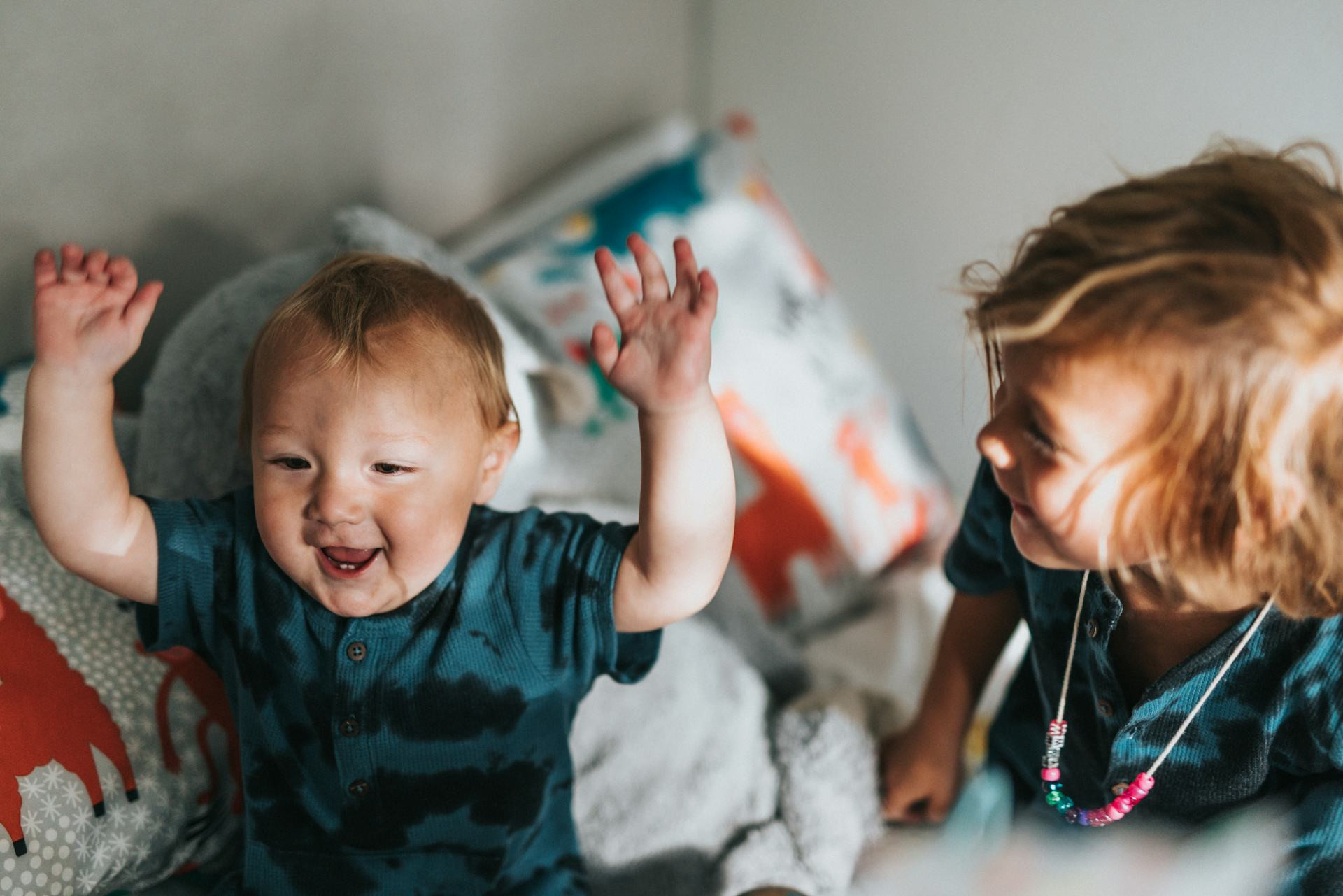
Creative Grief Support: Music, Drawing, and Handcrafts as Paths to Healing
When life brings loss, words can sometimes fall short. Grief is deeply personal, and for many, it can be difficult to express the emotions that come with it. Creative activities such as music, drawing, and handcrafts can offer a way to process grief—not as a replacement for conversation, but as a complement that opens new paths toward understanding and healing.
When Words Aren’t Enough
Grief can be overwhelming. It can settle in the body, the mind, and the rhythms of daily life. Many people find it hard to put their feelings into words, especially in the early stages after a loss. Creative expression can provide a space where emotions can flow freely, without the need to explain or perform.
Painting, playing music, or knitting can bring a sense of calm and control amid chaos. The goal isn’t to create something beautiful, but to give shape to what’s inside. The process itself can be soothing—a quiet way to be present with grief.
Music as an Emotional Outlet
Music has a unique ability to connect us with our emotions. It can evoke memories, offer comfort, and make room for tears. Some people find solace in listening to music that mirrors their mood, while others find strength in playing or singing themselves.
Playing an instrument or singing can serve as a release for emotions that are otherwise hard to contain. Music therapy is now widely recognized as a valuable tool in grief work, as rhythm, melody, and tone can open emotional doors that words cannot. Even something as simple as humming or listening mindfully can bring a sense of peace and presence.
Drawing and Painting – When Hands Speak
Drawing and painting allow us to express what cannot be said. Colors, shapes, and movements can reflect moods and thoughts that lie beneath the surface. Many people find that creating art helps them understand their grief in new ways—as if the image becomes a mirror of the inner world.
You don’t need to be an artist to benefit from drawing. It can be as simple as letting a pencil move freely across the page, without a plan or goal. What matters most is the process, not the outcome. Some choose to paint symbols of their loss, while others create abstract images that capture the emotions of the moment.
Handcrafts as Calm and Grounding
Handcrafts—such as knitting, crocheting, or embroidery—can have a meditative quality. The repetitive motions and tactile experience of working with yarn or fabric create a rhythm that can soothe the mind. Many people find that handcrafting helps them find calm in a time when everything feels uncertain.
Creating something tangible can also bring a sense of renewal amid loss. A quilt, a scarf, or a small handmade object can become a symbol of love and remembrance—something that connects past and present. For some, it becomes a way to honor a loved one; for others, a quiet form of meditation.
Læs også:

Community and Sharing
While creative expression is often personal, it can also foster connection. Many grief support groups in the U.S. now include creative activities—painting, singing, or crafting together. These shared spaces can offer comfort without the pressure to talk constantly. Seeing others’ expressions of grief can bring understanding and relief, reminding us that we are not alone.
Creative communities can also bring structure to daily life. A regular meeting time, a shared project, or simply gathering around a creative activity can provide a sense of direction and support.
Finding Your Own Path
There is no right or wrong way to grieve. For some, comfort comes from nature; for others, from conversation, faith, or creativity. The most important thing is to find what feels meaningful to you. Creative expression can be part of that process—a way to feel, to understand, and to slowly heal.
Grief doesn’t disappear, but it can change. Through music, drawing, and handcrafts, you can create small moments of peace and meaning—and perhaps discover a new way of living, where loss has a place, but doesn’t define everything.
Læs også: