A Home in Transition: Design That Adapts to Life’s Rhythm

A Home in Transition: Design That Adapts to Life’s Rhythm
A home is never static. It evolves as life does—when families grow, children move out, or our routines, work, and interests shift. The way we design our spaces reflects these life stages, and a flexible home can make those transitions smoother and more harmonious. In this article, we explore how to create a home that adapts to life’s rhythm—without losing its sense of character.
The Home as a Living System
A home is more than walls and furniture. It’s where daily life unfolds, and our needs change over time. Thinking of design as something dynamic—a system that can be adjusted as life demands—makes sense in a world where change is constant.
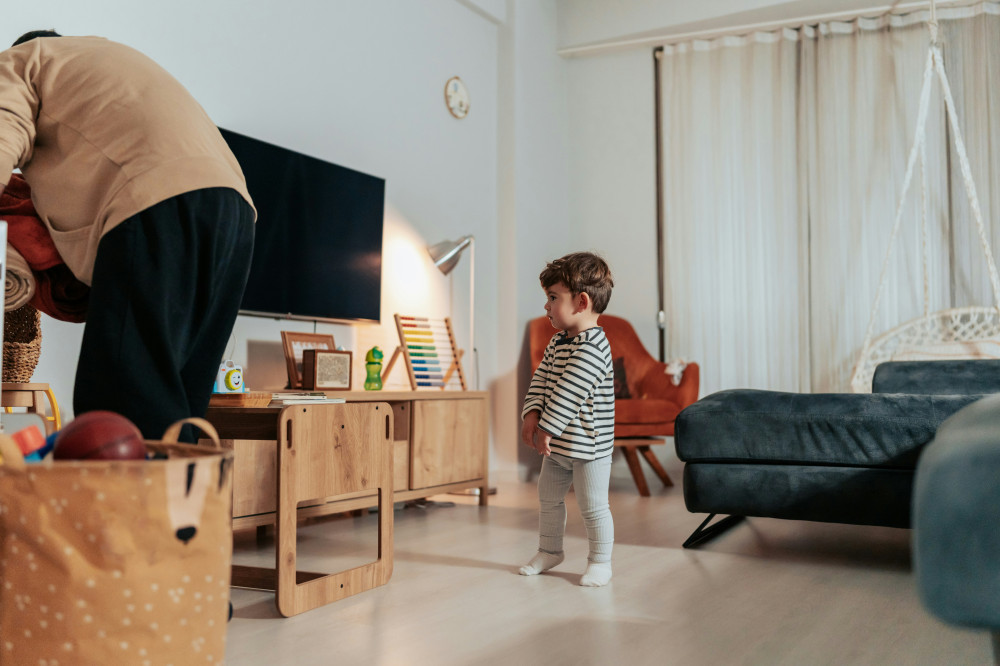
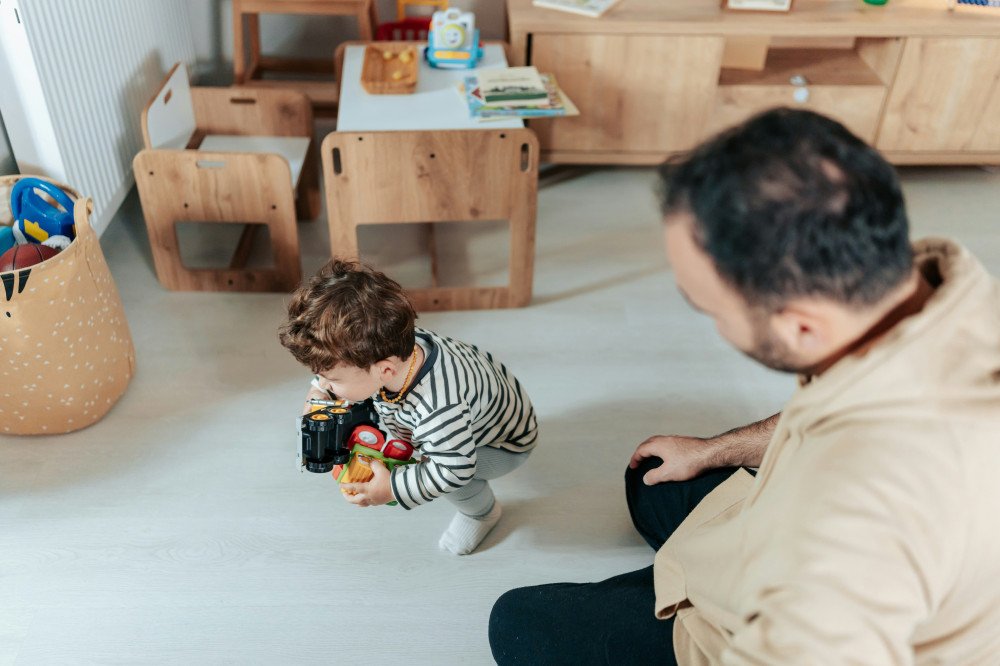
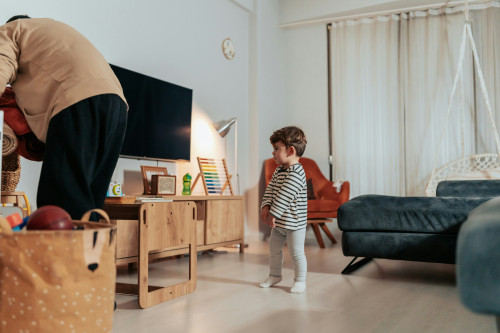
When kids are young, the focus might be on storage, safety, and space to play. Later, quiet zones, work areas, and flexibility become more important. And when the nest empties, rooms can take on new purposes—a hobby studio, a guest room, or a peaceful retreat.
Seeing the home as a living system means regularly asking whether your spaces still fit the way you live.
Læs også:


Flexible Solutions for Changing Needs
One of the strongest trends in modern American home design is flexibility. Furniture and rooms should serve multiple purposes, allowing the home to adapt without major expense or renovation.
- Multifunctional furniture – a sleeper sofa, an expandable dining table, or rolling shelving units make it easy to shift a room’s function.
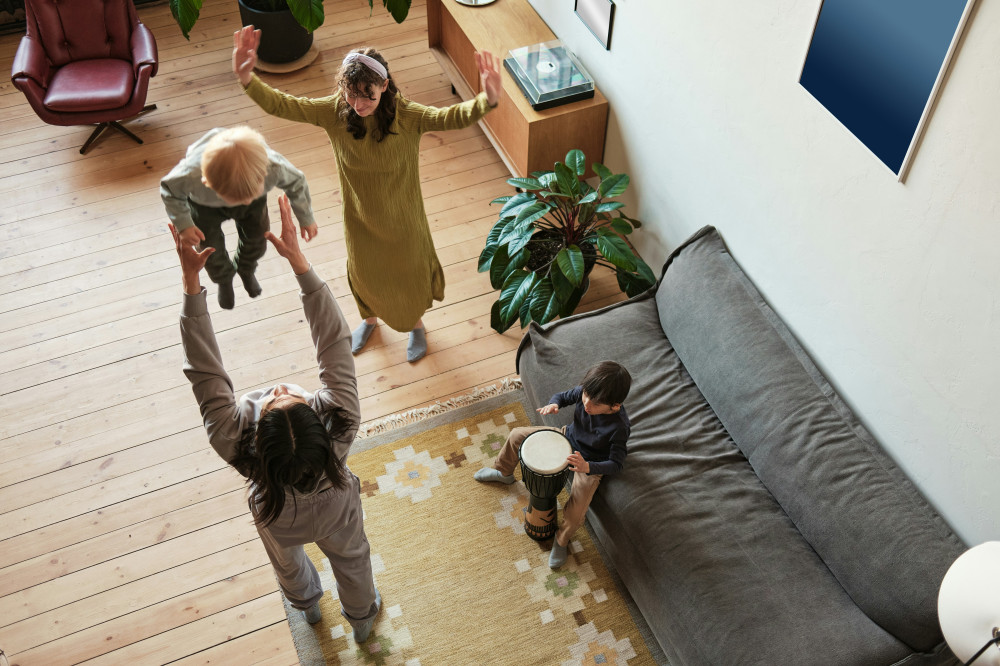
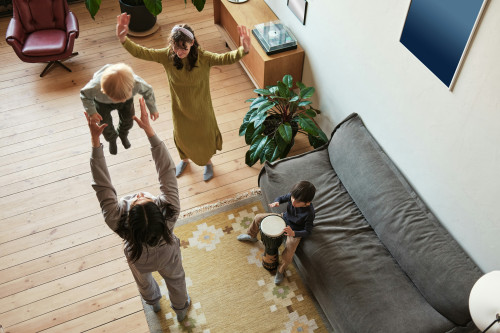
- Movable zones – use rugs, lighting, and room dividers to create temporary boundaries that can change as needed.
- Modular storage – systems that can expand or reconfigure help your home evolve as your family or lifestyle changes.
- Adjustable lighting – dimmable lamps or movable spotlights can transform a space from work mode to relaxation in seconds.
Small adjustments can make a big difference—and often, it’s these flexible solutions that make a home more livable in the long run.
When Home Becomes Both Office and Sanctuary
In recent years, many Americans have discovered that home also needs to function as a workplace. That shift brings new design challenges. A corner of the living room might serve as an office by day but should still feel like a personal space by night.
Here, separation and storage are key. A folding screen, curtain, or bookshelf can create visual calm, while a drawer or cabinet lets you tuck away work materials when the day is done. This balance helps maintain a sense of well-being—even when work and home share the same square footage.
Materials That Age Gracefully
A home in transition isn’t just about function—it’s also about atmosphere. Materials that age beautifully can bring a sense of continuity amid change. Wood, leather, wool, and natural stone develop patina and character over time, making your home feel more personal.
Choosing quality materials that can be repaired or repurposed builds a sustainable foundation that adapts to new needs without starting from scratch. It’s both environmentally and economically wise—and it gives your home soul.
Making Room for Change—and for Calm
Change doesn’t always require big projects. Sometimes it’s about creating space and simplicity so your home can evolve naturally. Clear out what no longer serves you, and let the things that matter take center stage.
A home that adapts isn’t one without identity—quite the opposite. It’s a home shaped by awareness of how you live, and by the freedom to shift direction when life does.
A Home That Grows With You
Ultimately, design is about quality of life. A home that can grow with you through life’s stages offers comfort and flexibility—whether you’re raising young children, working remotely, or enjoying a slower pace.
By embracing flexible solutions, timeless materials, and rooms that can change function, you create a home that’s not just beautiful but alive. A home that moves with life’s rhythm—and always feels like yours.
Læs også: